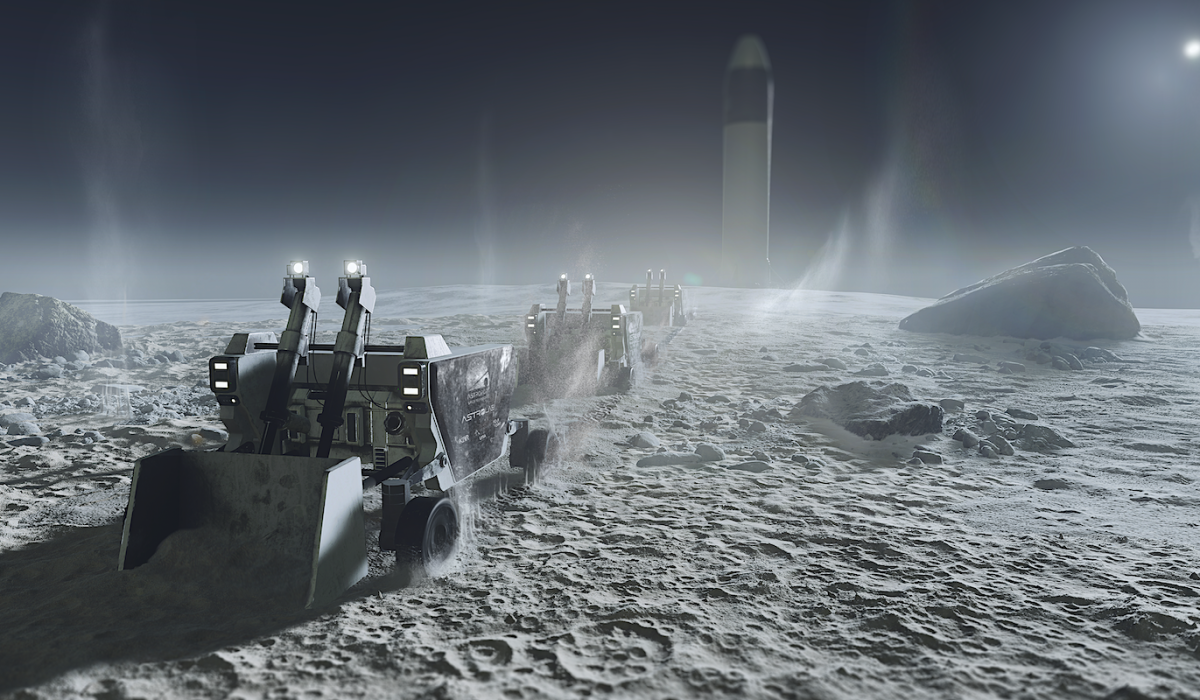
Engineering startups Astroport Space Technologies and Astrolab have demonstrated a groundbreaking electric excavator intended for lunar construction, marking a significant step toward autonomous infrastructure development on the Moon.
Introduction of the UTIPA Excavator
The UTIPA Excavator, developed collaboratively by Astroport Space Technologies and Astrolab, represents a leap forward in space construction technology. This innovative machine is fully electric, specifically designed to operate in the harsh environment of the lunar surface.
The goal is for the UTIPA Excavator to serve as a foundational tool for building habitats, scientific stations, and other infrastructure required for sustained lunar presence and exploration.
Key Features and Design
The UTIPA Excavator utilizes cutting-edge electric propulsion and control systems, enhancing its efficiency and environmental compatibility compared to traditional fossil-fueled machinery. Its design emphasizes durability and adaptability for the Moon’s unique geological and atmospheric conditions.
Autonomous operation capabilities are integrated, allowing it to execute complex excavation tasks remotely or independently, minimizing the need for constant human oversight in the challenging lunar environment.
Demonstration Success and Future Testing
The recent real-world demonstration showcased the excavator’s functionality and robustness. Its performance in simulated lunar terrain conditions was a crucial milestone, validating its potential to handle excavation tasks effectively on the Moon.
Upcoming phases will focus on extensive testing under varying conditions, fine-tuning autonomous behaviors, and preparing the excavator for deployment in forthcoming lunar missions.
Implications for Lunar Exploration
The development of electric, autonomous construction equipment like the UTIPA Excavator is essential for establishing sustainable lunar bases. Such technology reduces reliance on human labor and supply missions from Earth, accelerating infrastructure development.
By enabling large-scale excavation and construction, this technology supports scientific research, resource extraction, and the overall feasibility of long-term human presence on the Moon.
Collaborative Efforts and Industry Impact
The partnership between Astroport Space Technologies and Astrolab exemplifies the increasing role of private engineering startups in space exploration innovation. Their work complements efforts from space agencies and larger contractors focusing on lunar surface operations.
These advancements could influence other construction technologies for space and terrestrial applications, driving further innovation in autonomous and electric heavy machinery sectors.
 James Carter