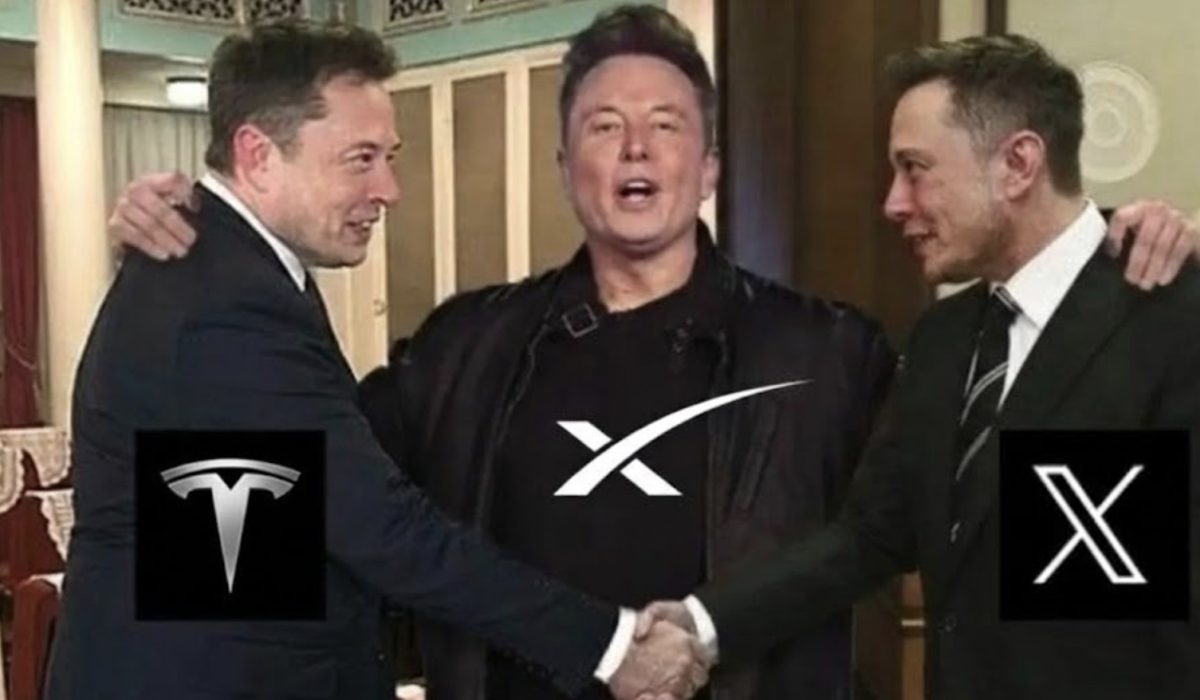
Elon Musk’s legal team has filed a motion for mistrial in the ongoing Twitter securities fraud class action lawsuit, arguing that pervasive community bias and judicial conduct have compromised his right to a fair trial. The high-profile case centers on allegations that Musk’s tweets misleading about bot accounts negatively affected Twitter’s stock price prior to his acquisition of the company.
Background of the Twitter Securities Fraud Lawsuit
The lawsuit, Pampena v. Musk, alleges that Elon Musk intentionally misled shareholders by downplaying the presence of bot accounts on Twitter. Plaintiffs call this conduct part of a deliberate scheme to depress Twitter’s stock price before Musk finalized his $44 billion takeover in 2022.
The case has attracted considerable attention given Musk’s stature and the implications for corporate governance and securities law. Proceedings have been taking place in San Francisco, where the lawsuit was filed as a class action representing Twitter shareholders.
Legal Team’s Argument for Mistrial
In a 20-page motion submitted on March 7, Musk’s attorneys contend that community animosity toward Musk, palpable during jury selection, has rendered the trial environment prejudicial. They also raise concerns about conduct by plaintiffs’ lawyers and the judge, claiming these factors have tilted the scales against Musk.
The motion seeks a mistrial on grounds that the hostility and alleged bias prevent Musk from receiving an impartial hearing as guaranteed under legal standards. This move follows Musk’s recent testimony in the trial where he addressed accusations directly.
Implications for Elon Musk and Twitter
If granted, a mistrial could delay resolution of one of the highest-profile securities suits involving a tech billionaire in recent years. This would prolong uncertainty over accusations regarding the Twitter purchase and Musk’s social media conduct during the acquisition.
The outcome could also influence how statements by corporate executives on social platforms are viewed in securities contexts, potentially shaping future regulatory scrutiny and shareholder litigation.
Observations from Legal Experts
Legal analysts note that mistrial motions based on claimed jury bias are challenging to succeed but not unprecedented. Courts typically scrutinize such claims carefully to balance defendants’ rights with judicial efficiency and finality.
The current stage of the trial and public reactions may influence whether the motion satisfies the high bar required to halt proceedings indefinitely.
Next Steps in the Litigation
The presiding judge will review Musk’s motion and determine whether sufficient evidence of bias exists to warrant a mistrial. Depending on the ruling, the trial may either resume with the current jury or face a restart with new jurors.
Meanwhile, both sides continue to prepare for further legal arguments and fact presentations as the case progresses, keeping close eyes on how the court navigates these procedural hurdles.