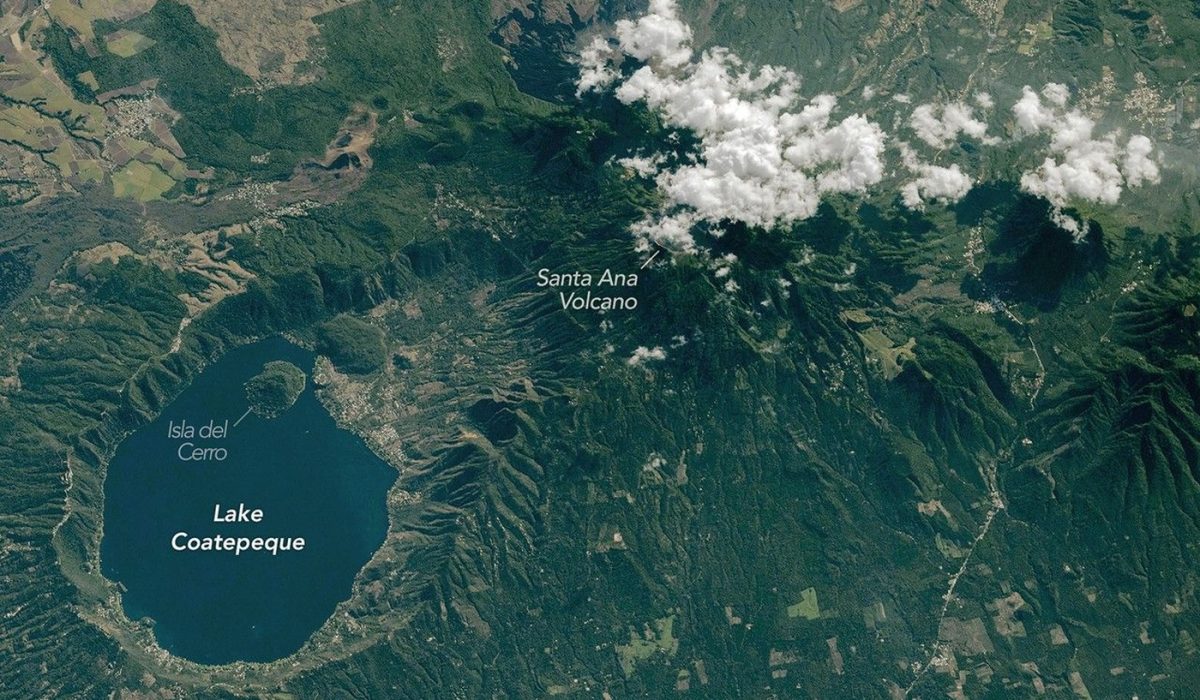
Lake Coatepeque, located in El Salvador, is a stunning natural feature formed within a volcanic caldera, offering a unique glimpse into the country’s active geological landscape. This tranquil lake captures both scientific interest and natural beauty.
Geological Formation of Lake Coatepeque
Lake Coatepeque is situated within a caldera resulting from volcanic activity that dates back thousands of years. The caldera formed after massive eruptions expelled magma, causing the ground to collapse and create a large basin. Over time, this basin filled with water, giving rise to the lake we see today.
The region around the lake remains volcanically active, which continuously shapes the landscape. The volcanic origins contribute to the unique characteristics of the lake’s basin and influence local ecosystems.
Physical Characteristics and Surrounding Environment
The lake spans a considerable area with deep, clear blue waters that contrast vividly against the surrounding rugged volcanic terrain. Its depth and clarity reflect its geological history and the relatively low levels of river inflow, which minimize sediment accumulation.
The area around Lake Coatepeque includes a mix of natural vegetation and human settlements. The surrounding hills and slopes are marked by volcanic deposits that have created fertile soil, supporting local agriculture and wildlife.
Volcanic Activity and Its Impact
El Salvador’s active volcanic nature means that tectonic and volcanic processes continue to influence Lake Coatepeque and its surroundings. Although the lake itself does not show signs of recent volcanic eruptions, nearby volcanoes contribute to seismic activity in the region.
This ongoing activity poses both opportunities for scientific research and challenges for local communities in terms of natural hazard preparedness.
Scientific and Environmental Importance
Lake Coatepeque offers valuable insights for scientists studying volcanic lakes and their ecosystems. Its formation provides a natural laboratory for understanding volcanic calderas and water chemistry influenced by volcanic geology.
Preserving the lake’s environmental quality is critical to maintaining biodiversity and supporting sustainable tourism. Scientists monitor water quality and geological stability to ensure the lake remains a vital ecological and cultural resource.
Tourism and Cultural Significance
The serene waters and scenic views of Lake Coatepeque make it a popular destination for local and international visitors. Recreational activities such as boating and swimming attract tourists year-round, contributing to the local economy.
Additionally, the lake holds cultural importance for the communities around it, reflecting a harmonious relationship between natural heritage and human activity.