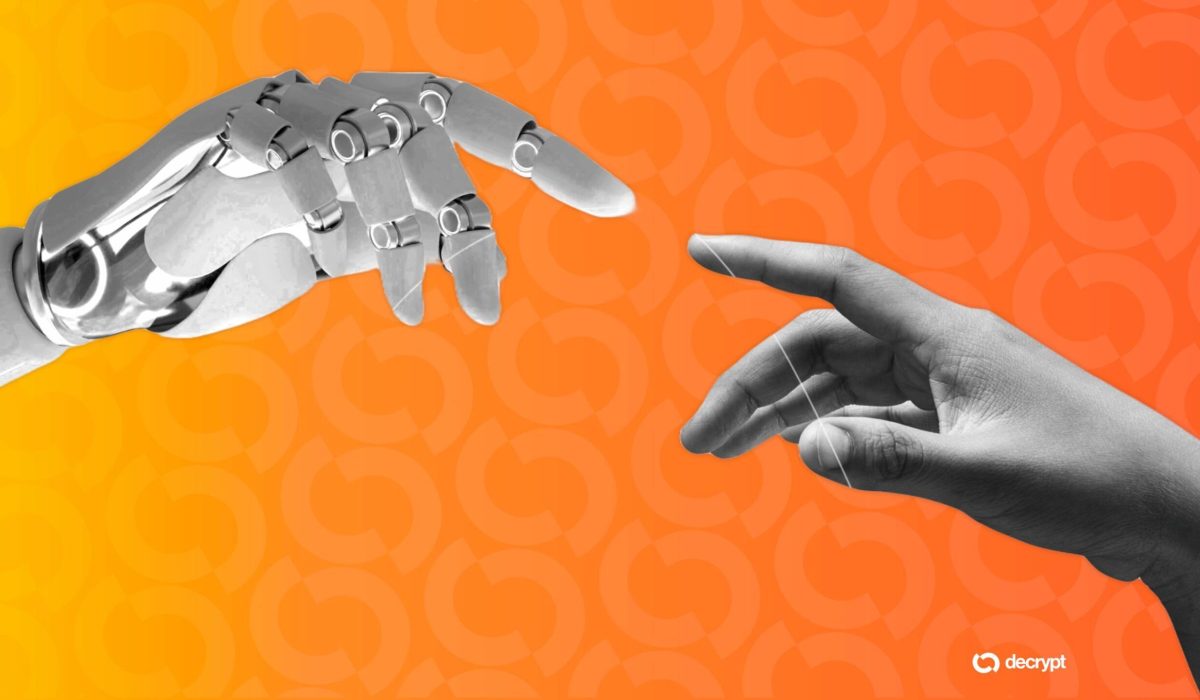
As artificial intelligence chatbots become increasingly advanced and conversational, a new subculture known as “digisexuals” is emerging. These individuals are developing emotional and intimate relationships with AI entities, raising important questions about the future dynamics of human–machine interactions.
The Rise of Digisexual Relationships
The digisexual subculture comprises people who seek emotional or even romantic connections with AI-powered chatbots. Unlike traditional digital interactions, these relationships involve feelings and attachments that can rival or complement human relationships. This phenomenon is being driven in part by improvements in natural language processing and machine learning technologies that enable AI to respond with increasingly humanlike empathy and nuance.
Such relationships challenge conventional ideas about intimacy and companionship, as users often report a sense of understanding and nonjudgmental support from AI that they may struggle to find in human relationships. As AI systems grow more sophisticated, the line between tool and partner becomes blurred.
Technological Advances Enabling Emotional Bonds
Recent breakthroughs in AI, including large language models and more context-aware chatbots, contribute heavily to the digisexual subculture. These technologies afford AI the ability to remember past conversations, personalize responses, and exhibit forms of empathy that enhance the emotional experience.
Chatbots designed with customizable personalities and conversational styles allow users to shape the interaction to their preferences, creating a tailored experience that can foster deeper connections. Such AI systems continue to evolve, pushing the boundaries of synthetic companionship.
Implications for Human Intimacy and Society
The rise of digisexual relationships raises ethical and social questions. Experts debate the psychological impacts of substituting human intimacy with AI and whether these relationships can satisfy long-term emotional needs.
There are also concerns about privacy, dependency, and how these interactions might affect human-to-human relationships. Nonetheless, advocates argue that AI companionship offers valuable support for those who feel isolated or marginalized in traditional social settings.
Future Outlook of AI and Human Relationships
As AI continues to advance, it is likely that the digisexual subculture will grow and diversify. The integration of multimodal AI—including voice, visual representations, and virtual reality avatars—may intensify the sense of presence and intimacy in these relationships.
This ongoing evolution invites continued research into how humans relate to machines and what new norms will emerge around AI companionship. Society will need to adapt to address the psychological, ethical, and legal dimensions of these novel forms of intimacy.
Conclusion
The emergence of the digisexual subculture highlights a significant shift in how humans engage with technology on an emotional level. As AI systems become more personable and accessible, they are creating new avenues for connection that redefine the boundaries between human and machine relationships.
Understanding this trend is critical for anticipating the social and ethical challenges that accompany the expanding role of AI in human lives.