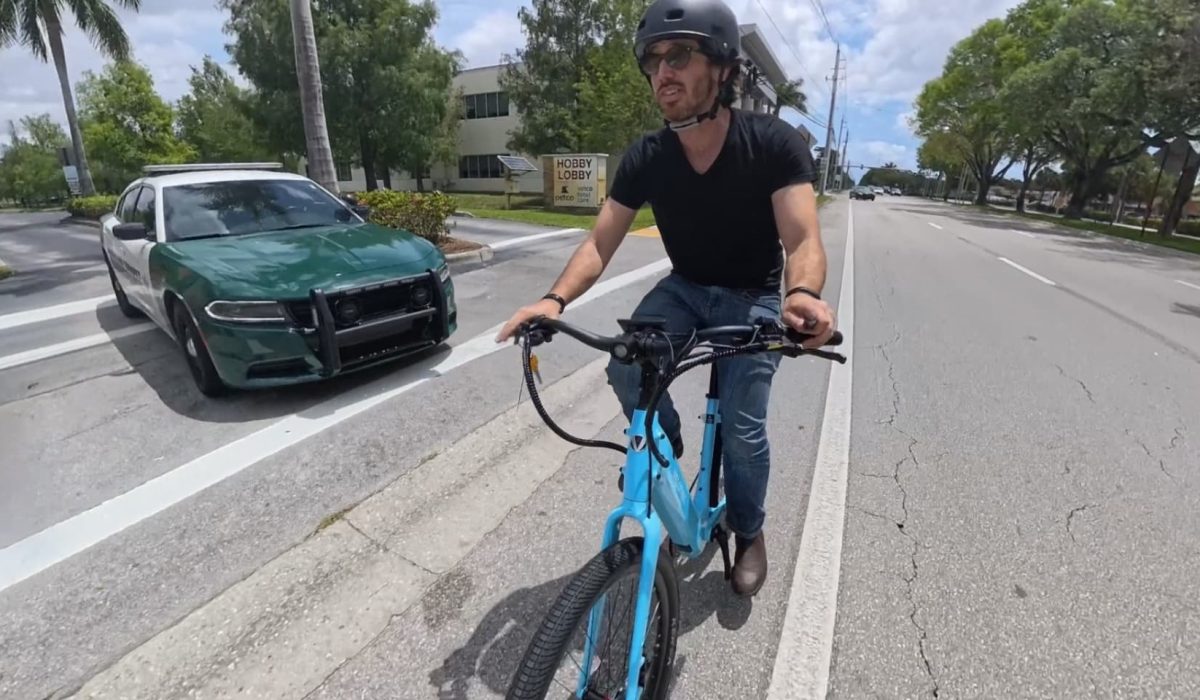
Florida is considering new regulations that would impose a 10 mph speed limit on e-bikes when operating on shared-use paths. This follows a growing movement among US states to address safety and infrastructure challenges posed by the rise of electric bicycles.
Overview of the Proposed Legislation
The Florida Senate recently passed a bill that sets a situational 10 mph speed limit specifically for e-bikes traveling on paths shared with pedestrians and other non-motorized users. The bill now advances to the Florida House for consideration. If passed, it will be sent to the Governor for final approval to become law.
This regulatory effort highlights concerns about the interaction of faster e-bikes with people using multi-use trails primarily designed for walking and casual cycling. It is one of the latest steps to address these issues amid increasing e-bike popularity.
National Trends in E-Bike Regulation
Florida is joining a number of states and municipalities across the country that are reexamining e-bike rules. Many jurisdictions are implementing speed limits, restricting access, or setting guidelines for e-bike use on pedestrian-heavy routes.
The rapid growth in motor-assisted cycling has led to questions about public safety, infrastructure wear, and how to balance convenience with responsible usage in spaces that were not originally created for motorized travel.
Reasons Behind Speed Restrictions
The core rationale for limiting e-bike speed on shared paths is to reduce accidents and conflicts between users traveling at significantly different speeds. Pedestrians and slower cyclists may feel unsafe or be at risk when e-bikes travel at higher speeds in close quarters.
Low-speed limits aim to foster safer coexistence and preserve the intended recreational nature of many paths, while still allowing e-bike riders to use them under controlled conditions.
Potential Impacts on E-Bike Users
The 10 mph speed limit would require e-bike riders to adjust their behavior in certain areas, potentially slowing down during portions of their trips on shared-use paths. Riders may have to seek alternative routes or dismount in some cases.
While some users may view this as a limitation, advocates argue it helps integrate e-bikes responsibly into existing cycling infrastructure, promoting shared safety without outright bans.
Next Steps and Implementation
The Florida House’s review and subsequent decisions will determine if the speed limit becomes law. If approved by the Governor, implementation will likely involve the placement of clear signage and public education campaigns to inform users of the new rules.
Enforcement strategies may also be developed to ensure compliance, balancing respect for e-bike riders with the safety of all path users.