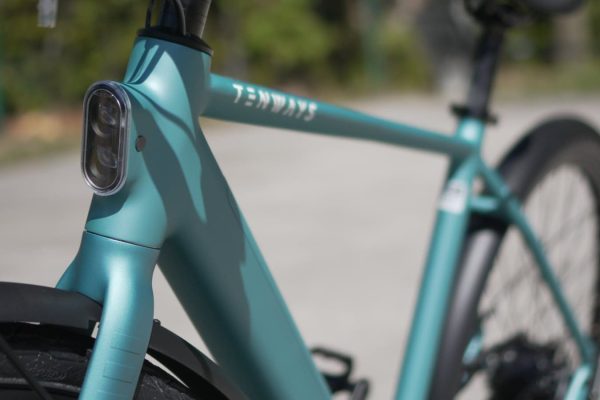
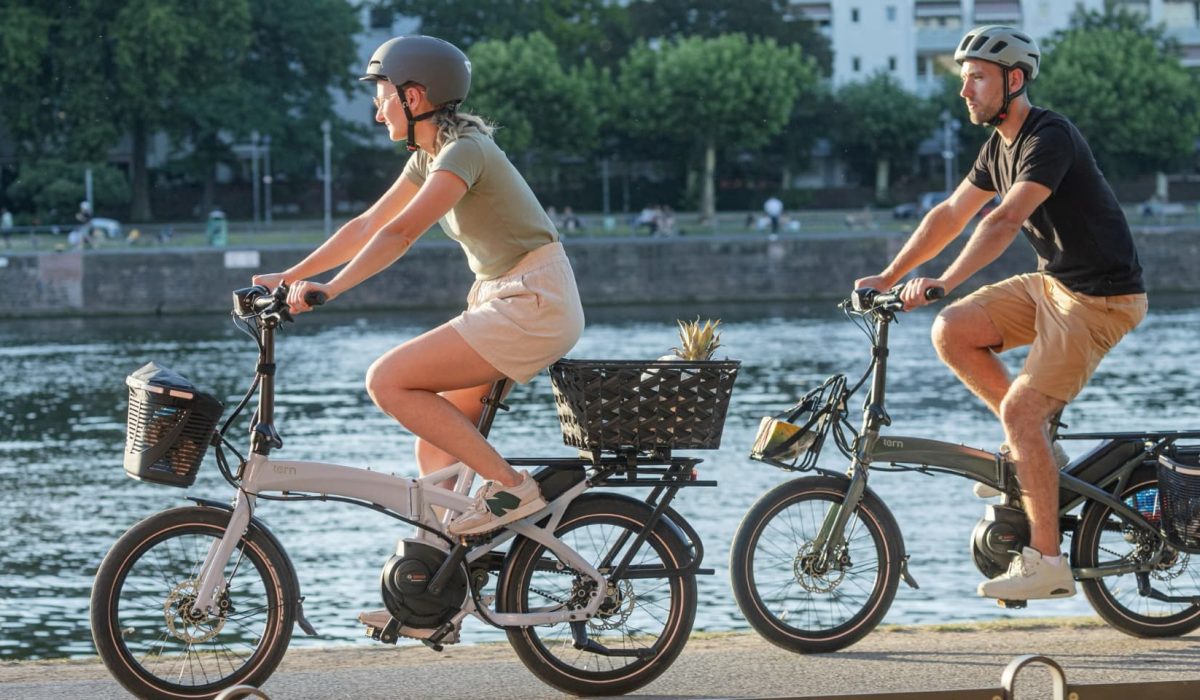
Florida is moving forward with a proposed law that would limit electric bike speeds to 10 miles per hour, a move that is prompting discussion about safety, e-bike regulations, and urban mobility. Unlike some previous efforts, this regulation could offer a balanced approach to managing e-bike use.
Overview of Florida’s 10 MPH E-Bike Speed Limit Proposal
The state legislature in Florida has introduced a proposal to cap the speed of electric bicycles at 10 mph on certain public roads and paths. This proposed regulation aims to address concerns related to pedestrian safety and the growing presence of faster e-bikes in urban areas.
The law intends to standardize e-bike speeds, making them more predictable for other road and pathway users. Advocates argue that this can reduce accidents and conflicts in shared spaces, especially where there is mixed traffic of cyclists, pedestrians, and vehicles.
Reasons Supporting the Low Speed Limit
One primary reason cited for the 10 mph restriction is safety. Data from various urban centers indicate that collisions involving e-bikes can result in serious injuries when speeds exceed a moderate threshold.
Lowering the speed limit may also encourage a more careful riding style and ensure that e-bikes serve as a viable alternative to walking or slower bicycles in crowded areas. It could help reduce noise and environmental disturbances caused by faster electric vehicles.
Criticism and Concerns Over Practicality
Critics argue that a 10 mph cap is too restrictive and may diminish the utility and appeal of e-bikes, which are often favored for their ability to cover longer distances efficiently. Many users feel that such a limit would force them to pedal more or switch to motor vehicles for longer trips.
There is also concern about enforcement challenges and whether the regulation might lead to uneven application or confusion among riders about where the speed limit applies.
Comparison With Other States’ E-Bike Laws
Many U.S. states regulate e-bike speeds with limits ranging from 15 to 20 mph, aligning with federal definitions of low-speed electric bicycles. Florida’s proposed 10 mph limit is notably lower, highlighting a more cautious approach to regulating emerging transportation methods.
Some cities have adopted distinct speed zones for e-bikes, often allowing higher speeds on bike lanes and paths designed to accommodate faster riders, suggesting that specific areas might benefit from tailored regulations rather than blanket speed limits.
Potential Impact on Florida’s Urban Mobility
If passed, this law could significantly influence how residents and visitors use e-bikes in Florida’s cities. The slower speeds may encourage more families and cautious riders to use e-bikes while potentially discouraging speed-focused riders.
The law might also drive innovation in e-bike technology aimed at limiting speeds automatically or developing safer designs optimized for slower urban travel.
Next Steps and Legislative Outlook
The proposed speed limit is currently under review by Florida lawmakers and transportation authorities. Public input and further studies on safety and mobility impacts will play a critical role in shaping the final version of the law.
Stakeholders from e-bike manufacturers, safety advocates, and urban planners are engaged in ongoing discussions to find common ground that respects both safety concerns and user needs.