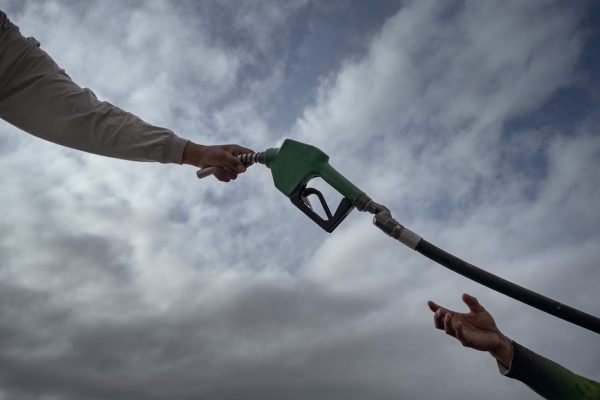
The G7 finance ministers have convened an emergency meeting to discuss a potential release of significant quantities of oil reserves in response to rapidly rising global oil prices.
Urgent Response to Rising Oil Prices
The resurgence in crude oil prices has prompted swift action from the G7 nations, who are exploring measures to stabilize the volatile energy market. The spike in prices has raised concerns about inflationary pressures and economic recovery risks worldwide.
As energy costs affect industries and consumers alike, G7 officials see the need for coordination to prevent further economic disruption. The emergency meeting underscores the urgency with which policymakers are approaching this issue.
Possible Release of Strategic Oil Reserves
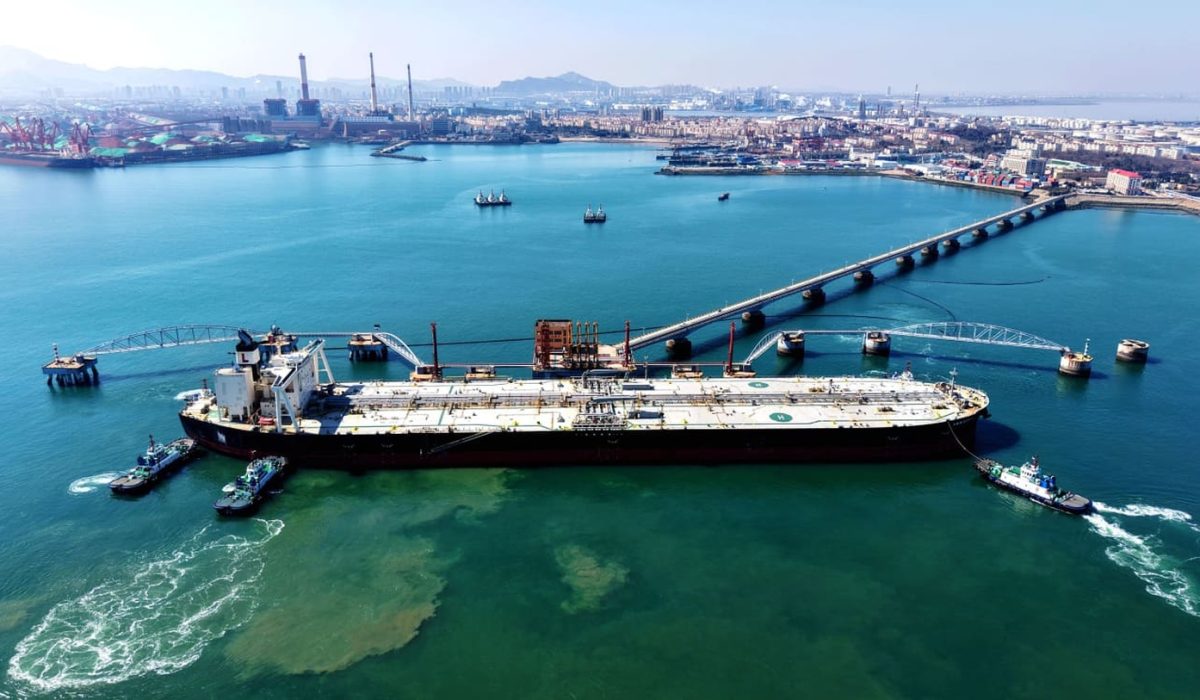
Reports indicate that the G7 is considering making between 300 million and 400 million barrels of oil available from their combined strategic reserves. This volume would mark an unprecedented release aimed at increasing supply and calming the market.
Strategic reserves are stockpiles of crude oil maintained by countries to cushion against supply shocks. Deploying such large quantities is seen as a drastic but necessary step to curb price surges and signal commitment to market stability.
Coordination Among Major Economies
The G7, consisting of Canada, France, Germany, Italy, Japan, the United Kingdom, and the United States, is working to ensure a coordinated approach. Such collaboration aims to maximize impact and prevent fragmented responses that might reduce effectiveness.
Coordination also involves aligning with other global stakeholders and oil-producing nations to balance supply and demand dynamics and maintain long-term energy security.
Implications for Global Markets and Consumers
The potential release of oil reserves could lead to short-term relief in fuel prices, easing pressure on consumers and businesses. Lower energy costs are critical for economic stability, particularly amid ongoing recovery efforts following recent global disruptions.
However, some analysts caution that such interventions may only provide temporary respite unless accompanied by broader measures to address supply limitations and energy transition challenges.
Next Steps and Monitoring
The G7 is expected to finalize its decision following the emergency consultations, with announcements likely to focus on the scale and timing of reserve releases. Market participants and governments worldwide will closely monitor developments.
Continued assessment of global economic indicators and oil market conditions will guide further actions to ensure price stability and secure energy supplies moving forward.