
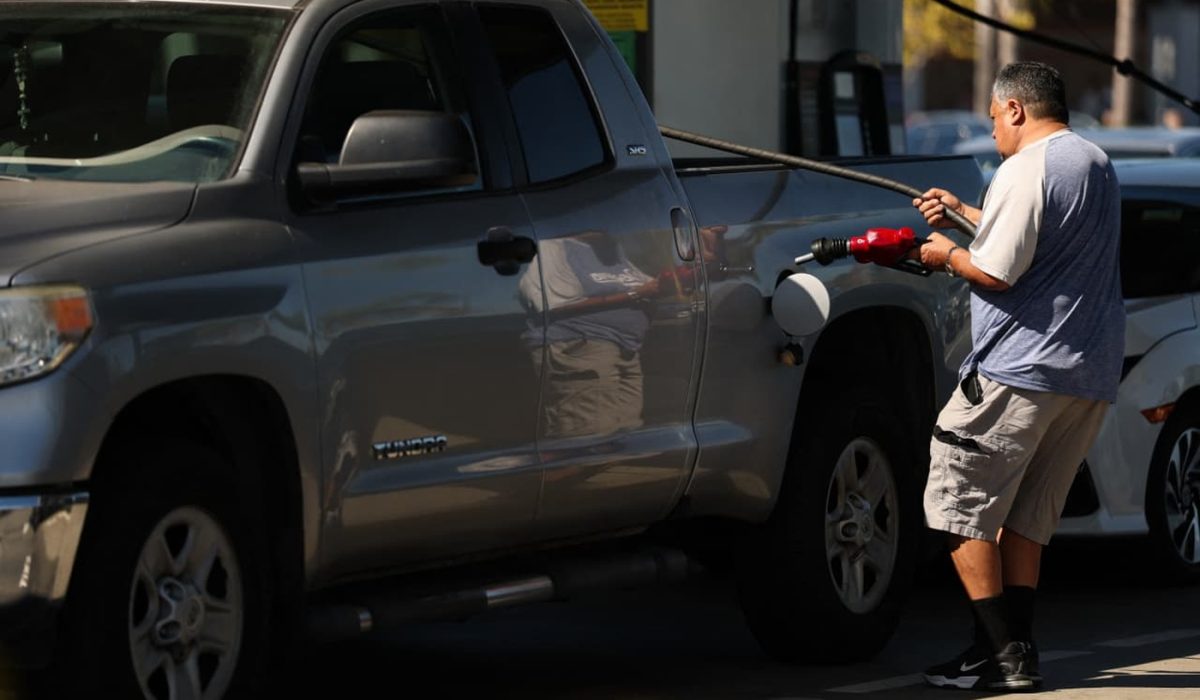
Gasoline prices in the United States are experiencing a sharp increase this week, potentially hitting $4 per gallon. Experts caution, however, that while prices may rise significantly, the market is unlikely to see the extreme surges witnessed in prior years.
Current Trends Driving Gas Prices Higher
Recent weeks have seen a rapid climb in gasoline prices, the fastest since the geopolitical tensions following Russia’s invasion of Ukraine in 2022. Supply chain disruptions and rising crude oil costs are primary factors pushing prices upward.
Fuel demand remains robust across the country, straining available supplies further. In addition, seasonal changes often lead to shifts in gasoline formulations, contributing to price volatility during this period.
Supply and Demand Dynamics
Refinery maintenance scheduled for the spring season has curtailed output, limiting fuel availability in key markets. Combined with increased travel reopening post-pandemic, demand has surged, creating pressure on supply chains.
Storage levels for gasoline remain below average, which can exacerbate price sensitivity to any supply disruptions. However, analysts suggest ample crude inventories provide some cushion against more extreme price spikes.
Why Extreme Price Spikes Are Unlikely
Unlike the dramatic “apocalyptic” price levels observed in 2022, several moderating factors are at play now. Global oil production has stabilized, and major producers have signaled intentions to maintain output to avoid shocks.
Government interventions and strategic reserves may also provide a buffer to mitigate sharp price rises. Additionally, consumer behavioral adjustments such as reduced driving or switching to alternative transportation can ease demand.
Implications for Consumers and the Economy
Rising gasoline prices generally increase transportation costs, which can feed into higher prices for goods and services. This inflationary pressure may contribute to broader economic concerns if sustained over the longer term.
Consumers may adapt by seeking fuel-efficient vehicles or alternative commuting methods. Policymakers are watching these developments closely as they balance economic growth with inflation control measures.
Outlook and Market Expectations
Market analysts expect gasoline prices to experience continued volatility in the near term, with potential peaks near $4 per gallon in many regions. However, widespread disruptions or prolonged shortages seem less probable under current conditions.
Monitoring global geopolitical situations and domestic supply changes will remain key in forecasting future price directions. For now, motorists should prepare for short-term price increases but not a repeat of past record highs.