
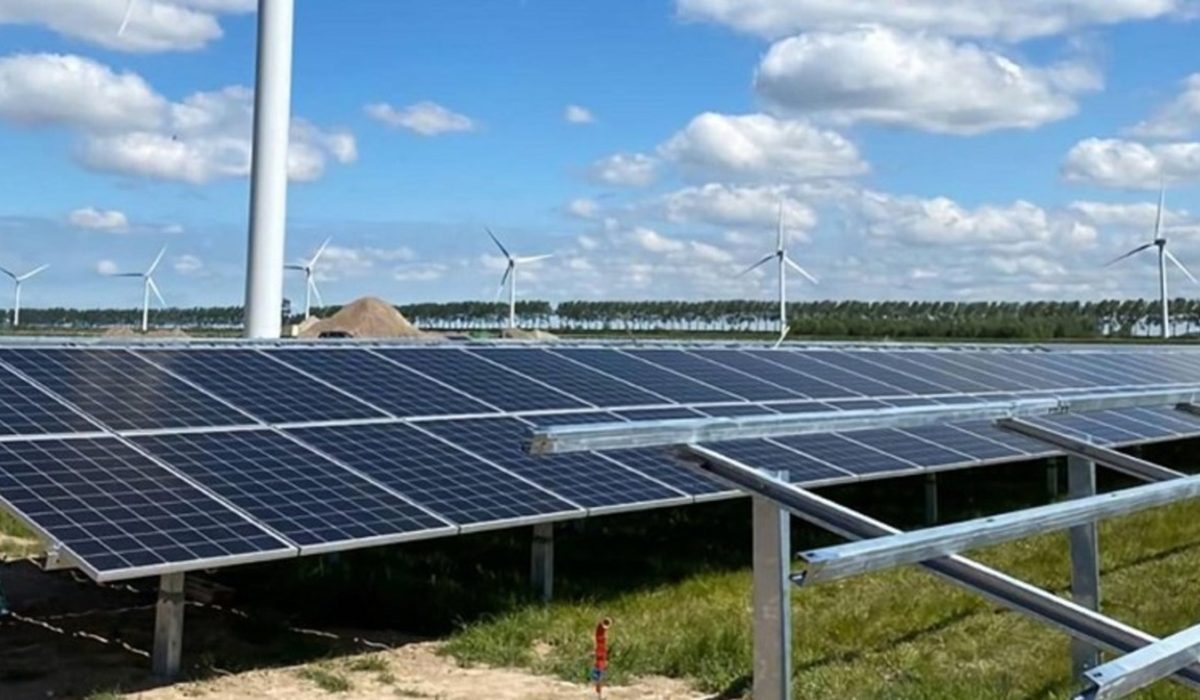
European energy company Vattenfall has commenced construction of a pioneering hybrid renewable energy plant in southwest Germany. The facility integrates wind turbines and solar panels at a single location, aiming to enhance efficiency and reliability of clean power generation.
Project Overview and Location
The new hybrid power plant is being developed by Vattenfall, a major European utility. Located in southwest Germany, the project combines onshore wind power with photovoltaic solar generation on the same site. This approach seeks to optimize land use and balance energy production profiles throughout the day.
The hybrid system design enables the plant to harness wind energy during typically windier periods, while solar panels contribute during daylight hours. This complementary setup improves the consistency of renewable energy output compared to standalone installations.
Technological Integration
The integration of wind turbines and solar arrays involves sophisticated grid and control technology to smoothly coordinate electricity generation from both sources. Vattenfall employs real-time monitoring and adaptive management systems to maximize energy yield and maintain grid stability.
By combining these renewable sources, the plant benefits from the natural variations in wind and sunlight, reducing intermittency issues that often challenge renewable energy adoption. The project represents an innovative step in hybrid power plant design, potentially serving as a model for future renewable infrastructure.
Environmental and Economic Benefits
This hybrid renewable project is expected to contribute significantly to Germany’s climate goals by reducing reliance on fossil fuels and lowering carbon emissions. Combining wind and solar installations on a shared footprint minimizes land use impact and preserves natural habitats.
Economically, the synergy between the two power sources can improve operational efficiency, reduce costs, and enhance return on investment. The project also supports local job creation during construction and ongoing operations, fostering sustainable development in the region.
Implications for Germany’s Energy Transition
Germany’s energy transition, known as Energiewende, aims to achieve a sustainable, low-carbon power system. Hybrid plants like this one are seen as a critical element in meeting renewable energy targets and ensuring grid reliability as coal and nuclear power are phased out.
Successful implementation of such projects will likely encourage wider adoption of hybrid renewable solutions across Europe, demonstrating the potential for integrated clean energy systems to play a central role in future power generation strategies.