
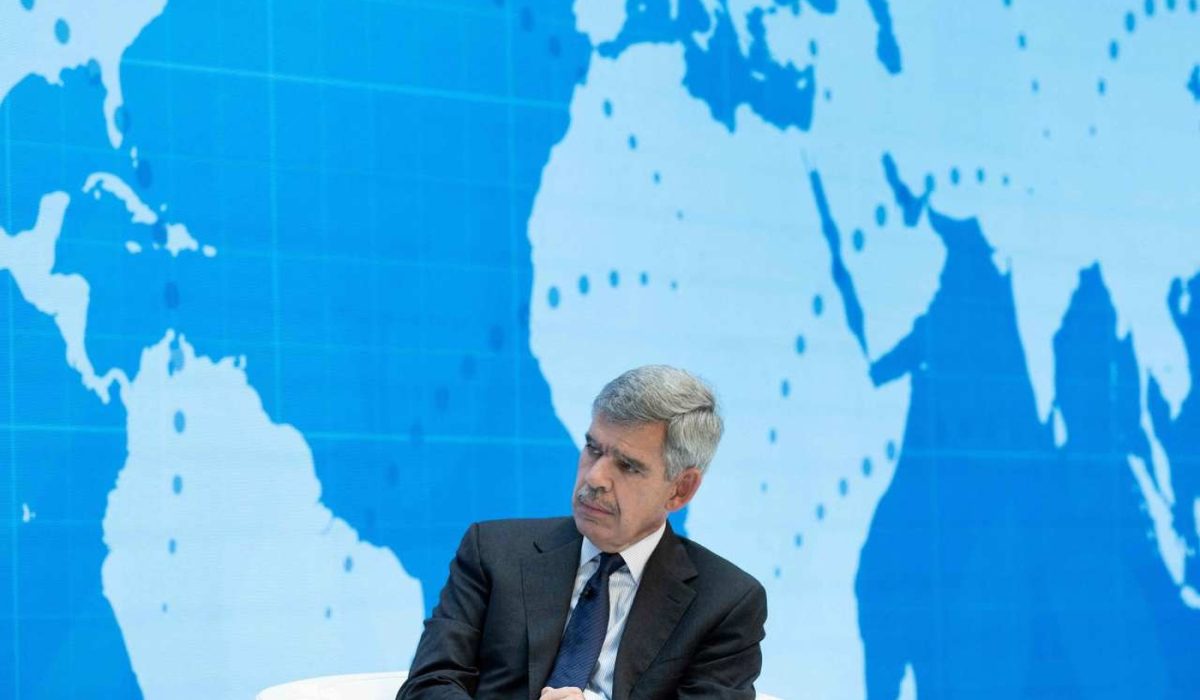
Former Pimco CEO Mohamed El-Erian has warned that rising oil prices will push the U.S. inflation rate to around 3% in 2025, potentially limiting the Federal Reserve’s capacity to support a soft labor market.
Impact of Rising Oil Prices on Inflation
El-Erian emphasized that higher oil prices are a key factor contributing to increased inflationary pressures in the United States. As oil costs rise, they often translate into higher prices for a wide range of goods and services, driving up overall consumer prices.
The former executive noted that sustained elevated oil prices could prolong inflationary trends, making it more difficult for prices to stabilize or decline in the near term.
Implications for Federal Reserve Policy
With inflation expected to reach around 3%, El-Erian highlighted that the Federal Reserve might face challenges in balancing its dual mandate of promoting price stability and supporting employment.
Higher inflation could constrain the Fed’s ability to provide monetary stimulus aimed at cushioning the labor market, especially if inflation expectations become entrenched.
Effect on the U.S. Labor Market
El-Erian pointed out that a persistent inflation environment could limit the effectiveness of policies designed to support a soft labor market, where job growth is modest and unemployment remains stable.
The interplay between inflation dynamics and employment conditions suggests that the labor market may face headwinds, which could slow wage growth and economic recovery.
Broader Economic Considerations
The influence of higher oil prices extends beyond inflation and labor markets, affecting consumer spending, production costs, and overall economic growth.
It remains important for policymakers to monitor energy markets and inflation data closely to adjust measures as necessary to sustain economic stability and growth.