
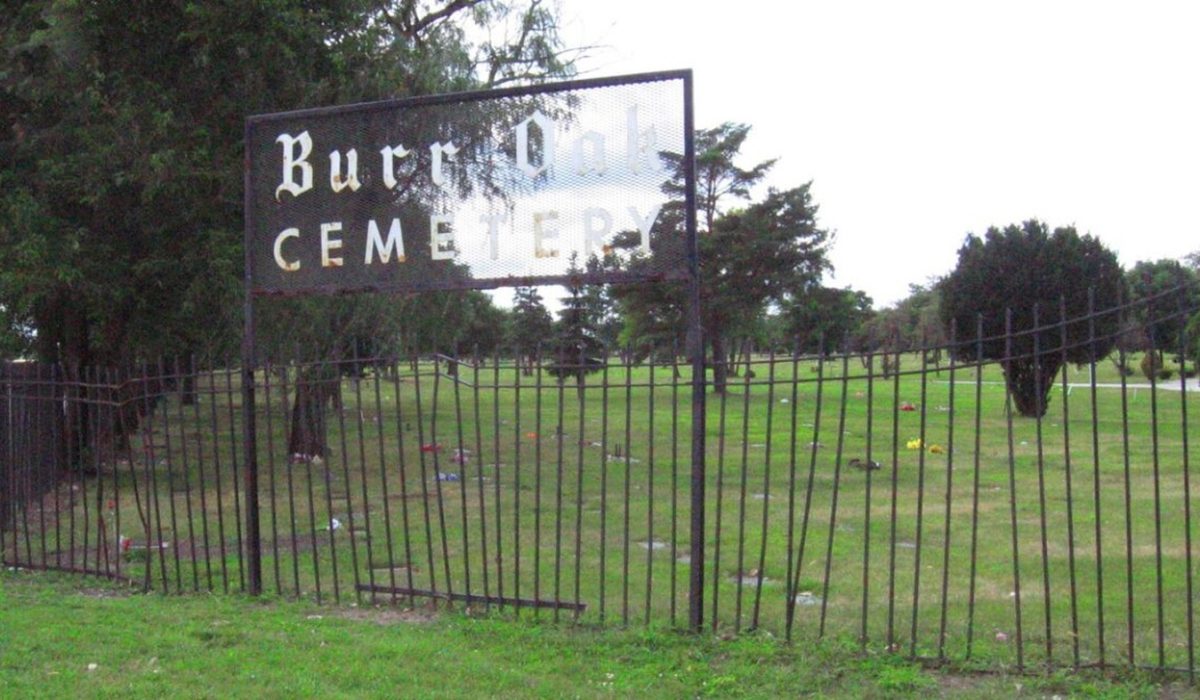
In a unique application of botanical science, moss analysis helped authorities convict individuals involved in grave robbing at Burr Oak Cemetery in Chicago. This cemetery, known as the final resting place for notable figures such as Emmett Till and blues legend Willie Dixon, became the focus of an investigation that combined forensic techniques with ecological clues.
Background of the Burr Oak Cemetery Case
Burr Oak Cemetery holds significant cultural and historical importance. In the mid-2000s, authorities discovered illegal activities involving the excavation and sale of burial plots, leading to public outrage and an intensive investigation. Grave robbing not only desecrated the resting places of many but also raised concerns about cemetery management and protections.
The investigation revealed a scheme where grave sites were disturbed and remains moved without proper authorization. This prompted forensic teams to seek unconventional methods to gather evidence that would link suspects to the crime scenes.
The Role of Moss in Forensic Analysis
Scientists and forensic experts turned to moss, a common plant growing on grave markers and adjacent soil, as a natural trace evidence source. Moss tends to adhere to disturbed soil and surfaces in patterns that are difficult to replicate once the site is tampered with.
By analyzing moss fragments found on suspects’ clothing and equipment, forensic experts established connections between the individuals and the specific grave areas. This type of botanical forensics provided unique evidence that corroborated other findings.
Scientific Methods Utilized in the Investigation
Researchers employed microscopic analysis and DNA barcoding techniques to identify the moss species and compare samples from crime scenes and suspects. The precision of these methods allowed investigators to confirm that certain samples originated from the cemetery grounds.
The moss’s growth patterns and species diversity acted as ecological fingerprints, enabling experts to reconstruct the timeline and extent of site disturbances.
Impact of the Moss Evidence on Legal Proceedings
The moss evidence was presented in court alongside traditional forensic materials such as soil and fingerprints. It played a significant role in establishing the presence of the accused at the scenes of crime, strengthening the prosecution’s case.
Ultimately, this approach contributed to the successful conviction of those responsible for the grave robbing ring, highlighting the value of incorporating ecological forensics in criminal investigations.
Broader Implications for Forensic and Ecological Research
The Burr Oak case showcases how ecological data like moss samples can support forensic science, especially in cases involving soil and environmental disturbance. It opens new avenues for research in crime scene reconstruction using natural elements.
Continued development in this interdisciplinary field promises to enhance accuracy and reliability in future forensic investigations where traditional evidence may be limited or compromised.