The recent surge in oil prices following the escalation of the conflict with Iran has sparked concerns about its effect on inflation in the United States. However, the latest Consumer Price Index (CPI) data does not yet reflect the energy cost increases, leading to questions about the true extent of inflationary pressures.
Background on Oil Price Surge
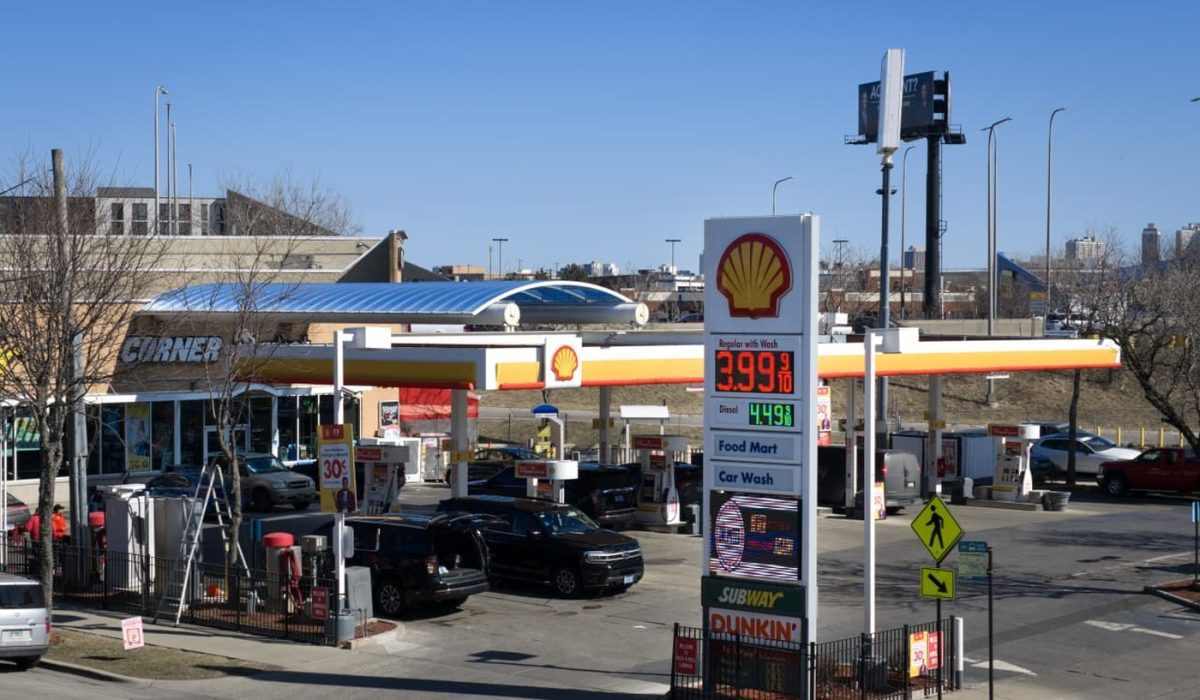
Since the onset of heightened tensions in the Middle East, global oil prices have risen sharply. The conflict with Iran has disrupted supply fears and triggered investor caution, pushing crude prices higher. This increase directly affects gasoline costs, which are a significant part of consumer energy expenses in the U.S.
The price shock is not only a result of immediate supply concerns but also reflects geopolitical risks that may persist for an extended period. Consequently, consumers might face prolonged higher prices at the pump.
Impact on American Consumers
The rise in oil prices tends to translate into higher transportation and heating costs for American households. This can reduce disposable income and increase the cost of goods dependent on transportation. The timing and magnitude of these effects often differ based on regional energy mixes and seasonal consumption patterns.
Although consumers may experience immediate impacts at the gas station, indirect effects on overall inflation may take longer to materialize as supply chains and contracts adjust.
Understanding the Latest CPI Data
The Consumer Price Index measures the average change in prices paid by consumers for goods and services, including energy. The most recent CPI report does not fully capture the recent oil price surge because the data collection period ended before the conflict significantly influenced energy costs.
This temporal gap means the inflation figures appear to show a slowdown, which might be misleading if interpreted without considering the timing of price changes. Upcoming CPI reports are expected to incorporate the energy cost increases more fully.
Future Inflation Outlook
As higher oil prices persist, inflationary pressures could intensify in the coming months. Energy costs tend to have a cascading effect on other sectors, potentially pushing up prices for transportation, manufacturing, and consumer goods broadly.
Analysts are monitoring how central banks, policymakers, and markets respond to this developing situation. The balance between curbing inflation and supporting economic growth will be crucial in managing the impact.
Conclusion
While the recent CPI data suggests inflation slowed before the Iran-related oil price spike, this may provide a short-lived or incomplete picture. Consumers are already feeling the effects of higher energy costs, and inflation is likely to reflect these pressures more clearly in future reports. Careful evaluation of ongoing geopolitical developments and their economic implications remains essential.