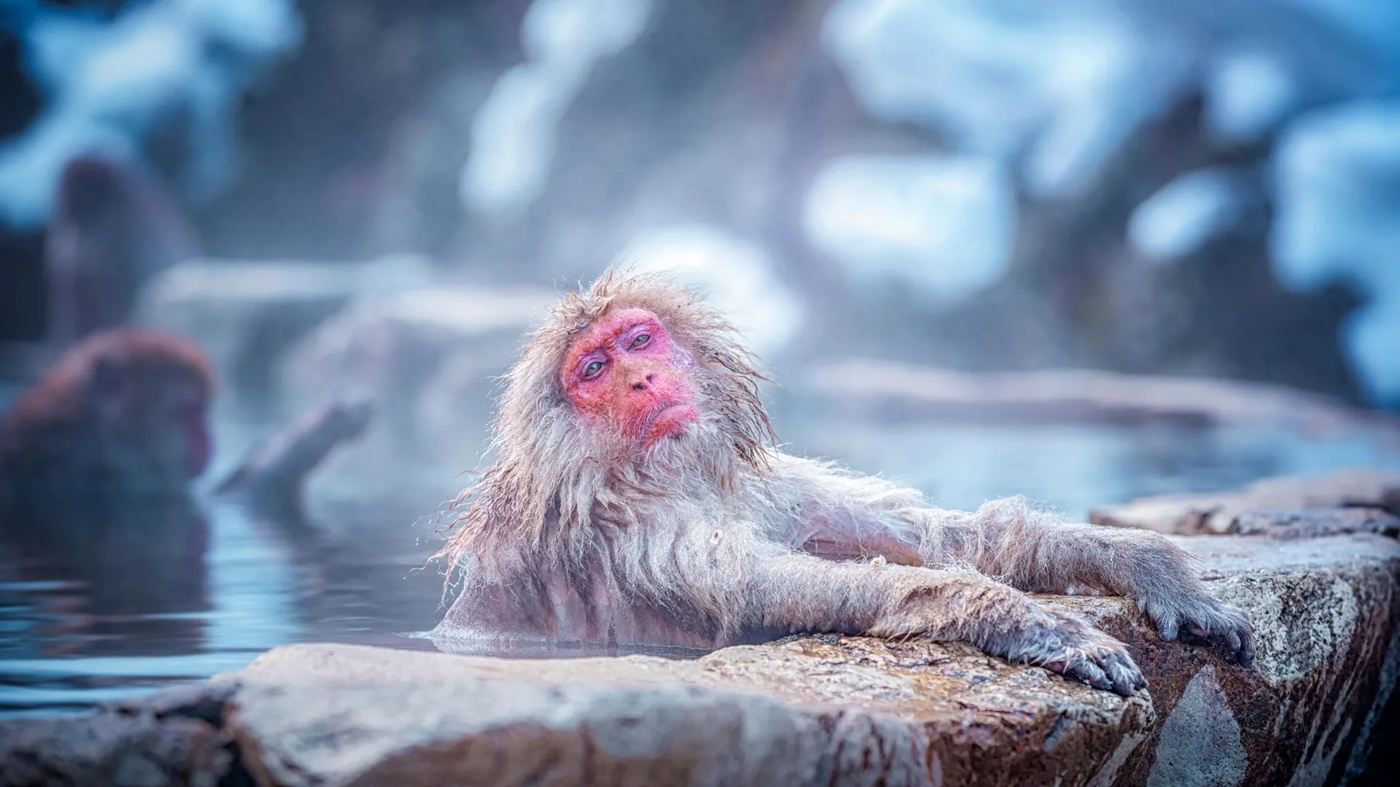
Japanese snow monkeys, also known as macaques, are famous for their habit of soaking in natural hot springs during the cold winter months. While it is commonly believed that these steamy baths help the monkeys stay warm, recent research suggests the benefits extend much deeper, potentially altering their invisible internal ecosystems. Scientists studying these primates in Japan have discovered that regular bathing influences patterns of parasites and gut bacteria in surprising ways.
The study focused on comparing snow monkeys that frequently use the hot springs versus those that do not. Researchers found subtle yet notable differences in the types and quantities of lice found on the monkeys. Those who bathed regularly had a distinct profile of lice compared to their dry counterparts. Beyond external parasites, the team also analyzed the monkeys’ gut microbiomes, uncovering variations linked to their bathing behavior. These findings suggest the hot spring environment may indirectly shape microbial communities inside the monkeys.
One of the most unexpected outcomes was that shared use of the hot pools did not increase the monkeys’ parasite load, challenging the common assumption that communal bathing would amplify disease risk. The heat and possibly mineral content of the hot springs could be playing a role in controlling parasites, offering a hygienic advantage to this social behavior.
Researchers believe these insights provide a more nuanced understanding of how behavioral adaptations can influence health and biology in wild animal populations. The study opens new avenues for exploring the connection between environment, social habits, and physiological outcomes in wildlife, illustrating the complex dynamics at play beyond mere temperature regulation. Ultimately, the snow monkeys’ steamy retreats serve multiple biological functions that contribute to their survival in harsh conditions.