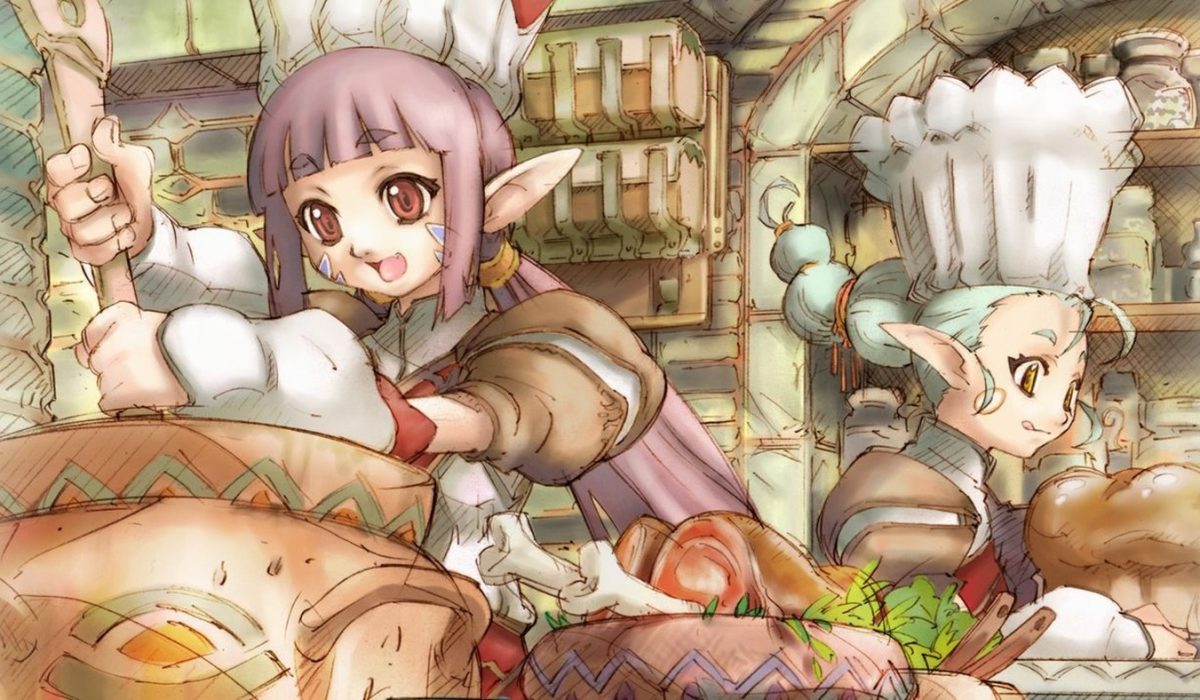
More than two decades since its launch, Konami’s Master of Epic continues to maintain a dedicated following. This largely untranslated MMORPG stands as a fascinating snapshot of the experimental phase of early online role-playing games, proving that niche communities can sustain long-lasting engagement well beyond mainstream attention.
Background of Master of Epic
Master of Epic debuted in 2001 as an MMORPG developed by Konami, merging unique gameplay mechanics with a fantasy setting. Unlike many contemporary MMORPGs, it incorporated player-driven skill advancement and a non-linear progression system, breaking convention at a time when the market was dominated by a few major titles.
The game’s interface and design featured distinct elements that set it apart, such as artistic stylistic choices and emphasis on social interaction. Despite limited localization efforts, it attracted a player base intrigued by its open-ended approach to character development and its world exploration dynamics.
Community Longevity and Server Maintenance
One of the most remarkable aspects of Master of Epic is its sustained activity. Although lacking the global recognition of games like World of Warcraft, its servers remain operational and consistently attract players who appreciate its nostalgic appeal and unique mechanics.
The continued server support is likely fueled by a passionate community and Konami’s willingness to keep the game accessible. This endurance highlights how smaller MMORPGs can survive through ongoing player interest even without frequent updates or major expansions.
Gameplay and Mechanics That Differentiated It
Master of Epic’s gameplay was innovative for its time, featuring a system where skills improved based on usage rather than traditional experience points. This fostered an environment encouraging experimentation and organic character growth.
The non-linear structure allowed players to pursue diverse paths, with an emphasis on crafting, combat, and exploration aspects. This stood in contrast to other MMORPGs that often followed fixed class roles and linear questing frameworks, thus tapping into a different player motivation and style.
Impact on MMORPG Evolution and Legacy
While not achieving widespread popularity, Master of Epic contributed to the broader evolution of MMORPG design philosophies. Its experimental approaches influenced developers who sought to integrate flexible skill progression and player autonomy into online worlds.
The game serves as an illustrative case study in game development circles, showcasing how early experimentation in the MMORPG genre left a lasting legacy beyond commercial success. It also demonstrates the importance of community in sustaining legacy games over time.
Current Status and Future Prospects
As of today, Master of Epic continues to host active players, mainly from Japan, with sporadic interest from international fans. Its community-driven longevity and server upkeep raise questions about future potential directions, whether through modernization, localization, or fan-driven projects.
Given its unique place in MMORPG history, the game might inspire renewed interest among enthusiasts and developers examining long-term player engagement strategies and preservation of early digital gaming culture.