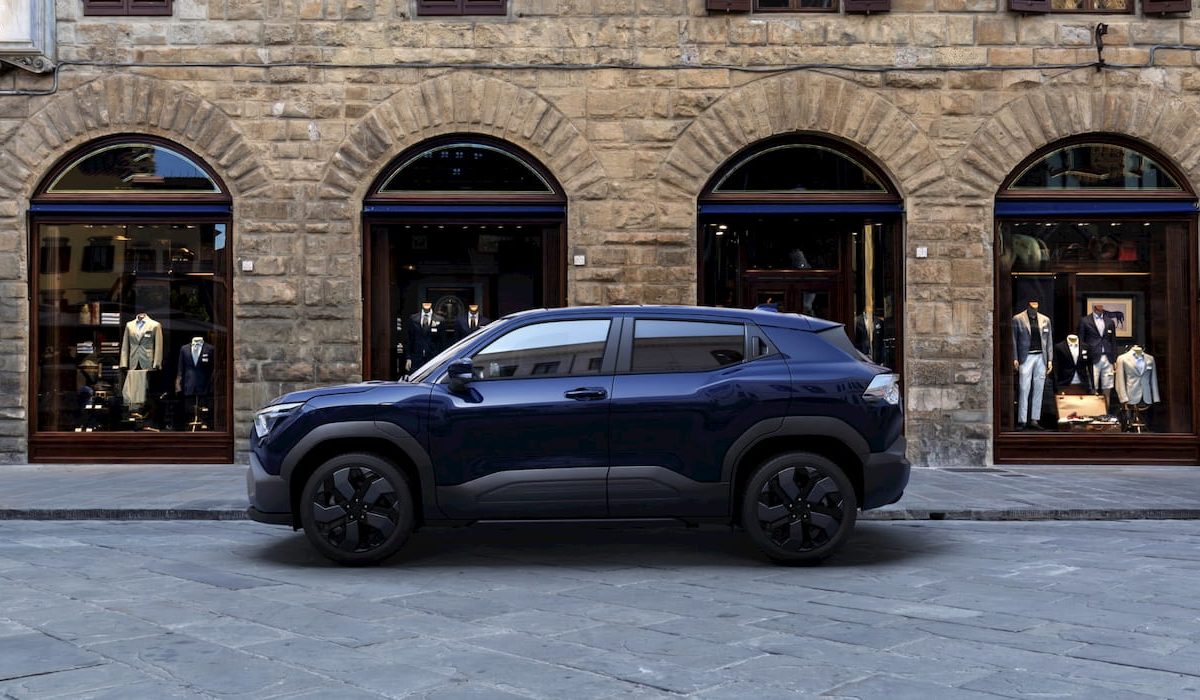
In a significant development for the electric vehicle (EV) industry, a prominent Japanese automaker other than Toyota has acquired a company specializing in all-solid-state EV batteries, signaling a strong commitment to advancing next-generation battery technology.
Strategic Acquisition to Accelerate Solid-State Battery Development
The acquisition marks a critical step as global automakers race to develop all-solid-state batteries, often regarded as the “holy grail” of EV energy storage due to their potential for higher energy density, improved safety, and longer lifespan compared to current lithium-ion batteries.
By bringing the specialized battery company under its wing, the Japanese brand aims to fast-track the integration of solid-state battery technology into its upcoming electric vehicles. This move underscores the increasing importance of proprietary battery tech in securing a competitive edge in the EV market.
Implications for the Japanese EV Market
Japan has long been a leader in battery innovation, and this acquisition adds momentum to the country’s efforts to maintain a dominant position in the electrification of transport. The move comes amid intense competition from other Asian countries heavily investing in battery manufacturing capabilities.
Industry analysts view the deal as a strategic maneuver to diversify Japan’s EV technology portfolio, demonstrating that the country’s automakers are keen to innovate beyond traditional lithium-ion solutions and set new industry standards.
Advantage of All-Solid-State Battery Technology
All-solid-state batteries replace the liquid electrolyte found in conventional batteries with a solid material, offering multiple benefits. These include faster charging times, greater energy storage capacity, and enhanced safety due to reduced risk of leaks or fires.
Incorporating this technology in EVs could address many of the challenges currently limiting EV adoption, such as long charging durations and concerns about battery degradation, ultimately improving the user experience and vehicle performance.
Competition Beyond Toyota
While Toyota has been a well-known contender in solid-state battery research, this acquisition highlights that other Japanese automakers are aggressively pursuing similar goals. This diversification could spur innovation and accelerate the commercialization of solid-state batteries.
Automotive insiders suggest this development may trigger a broader industry shift as companies rush to secure proprietary technology and establish leadership in the next era of electric mobility.
Future Outlook and Challenges
The transition from research to mass production of solid-state batteries remains challenging, with hurdles in manufacturing scalability and cost-effectiveness still to be overcome. However, the strategic acquisition demonstrates confidence in overcoming these barriers.
Automakers are expected to announce timelines for integrating solid-state battery-powered EVs into their lineups within the next few years. Success in this technology could significantly influence market dynamics and consumer acceptance of electric vehicles worldwide.