
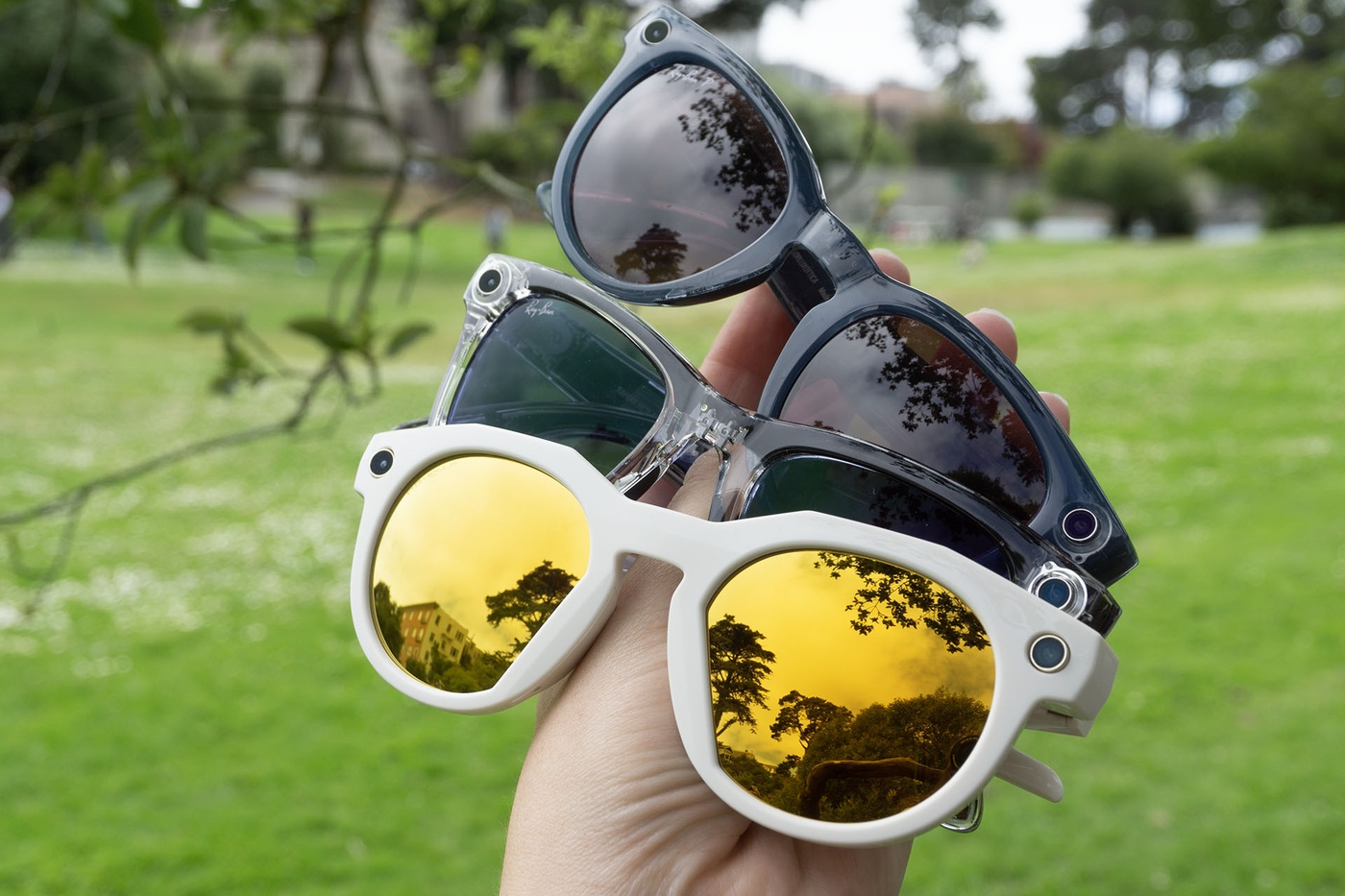
Meta is currently facing a class action lawsuit alleging false advertising related to the privacy features of its AI-enabled Ray-Ban Meta smart glasses. The lawsuit was filed in federal court in San Francisco, accusing Meta of misleading consumers about how the company handles footage captured by the glasses. The case follows a report that human contractors in Kenya reviewed sensitive video content recorded by the devices without users’ full awareness.
According to the lawsuit, plaintiffs who purchased the smart glasses relied on Meta’s marketing which emphasized its privacy protections. However, it alleges that Meta failed to disclose the full extent of how user data, including intimate footage, is reviewed by subcontractors as part of its AI training process. Workers reportedly viewed highly sensitive videos containing private moments, raising concerns about the adequacy of Meta’s anonymization safeguards.
Meta has acknowledged that, in certain situations, human reviewers are used to enhance user experience by reviewing media shared through the smart glasses. The company maintains that user media not intentionally shared remains on the device and that privacy measures are in place to protect identifiable information. Despite this, critics argue there is no clear option to fully utilize the glasses’ multimodal AI features without permitting some degree of external data review.
The lawsuit claims this undisclosed human review process transforms the smart glasses from a private device into a potential surveillance tool, exposing users to risks such as emotional distress, identity theft, and reputational harm. It seeks monetary damages and injunctive relief to hold Meta accountable for the alleged deceptive advertising and privacy violations.
This legal action underscores ongoing privacy concerns in the growing market of AI-powered wearable technology and highlights the tension between innovation and consumer data protection standards. It also raises important questions about transparency and user consent in AI data collection practices. Meta’s response and the court proceedings will likely have significant implications for the future development and marketing of AI smart glasses.