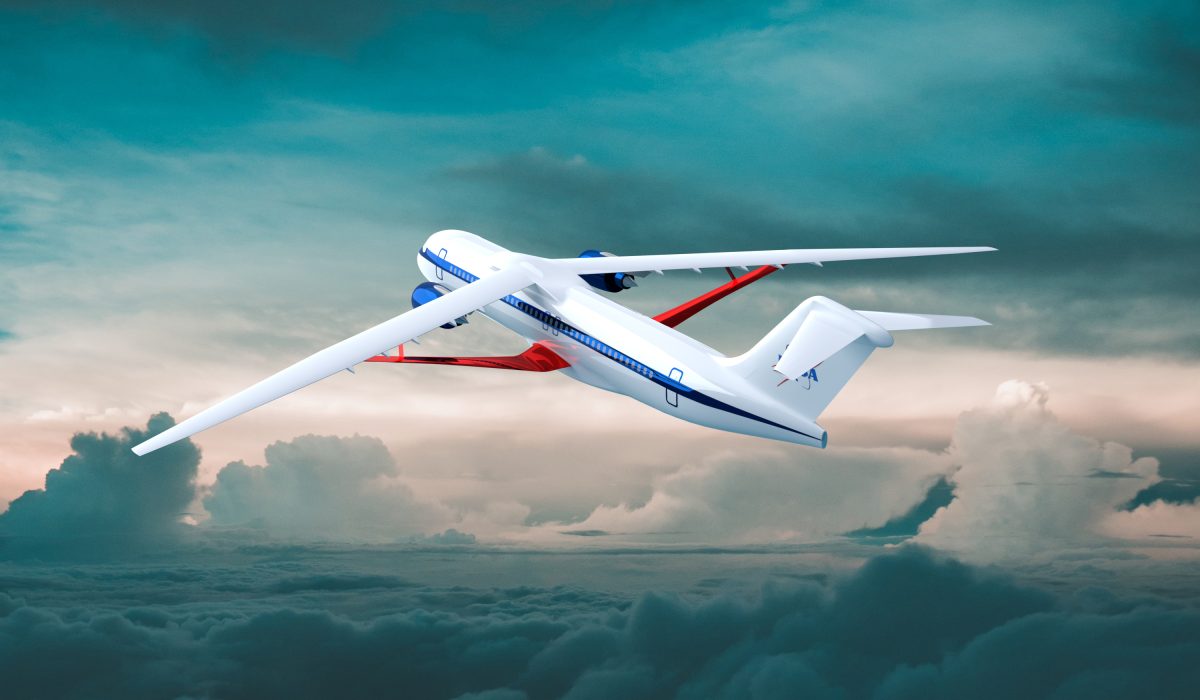
The Subsonic Flight Demonstrator (SFD) project, led by NASA, aims to accelerate the development and adoption of innovative airframe technologies that could define the next generation of single-aisle commercial aircraft. This initiative fosters collaboration with industry partners and government agencies to bridge the gap between research and production.
Objective and Scope of the SFD Project
The primary goal of the SFD project is to explore and mature key airframe technologies, focusing on designs that optimize the efficiency and performance of subsonic aircraft. This includes the evaluation of advanced wing configurations and structural materials that hold promise for future commercial airliners with a single-aisle seating arrangement.
By targeting airframe innovations that are likely to transition into production aircraft, the project seeks to reduce technological risk and ensure early industry adoption. The initiative ensures that promising concepts move swiftly beyond laboratory tests and simulation to real-world flight demonstration.
Industry and Government Collaboration
NASA’s approach emphasizes close engagement with stakeholders from aerospace manufacturers and other government entities. This cooperative framework enables pooling of expertise, resources, and testing capabilities, accelerating technology maturation.
Through partnerships, the project promotes shared objectives such as improving fuel efficiency, reducing emissions, and enhancing passenger comfort. Early involvement of industry players also helps align research outcomes with market needs and certification requirements.
Key Airframe Technologies Under Investigation
The focus of the SFD project includes advanced wing designs that promise aerodynamic improvements, structural innovations using lightweight composite materials, and integration of cutting-edge manufacturing techniques. These elements collectively aim to enhance aircraft performance while lowering environmental impact.
Experimentation with wing shapes, including swept or blended-wing concepts, is a core area, as aerodynamic efficiency is critical to achieving significant fuel savings. Additionally, innovative structural systems are explored to maintain or improve strength without adding weight.
Transitioning from Research to Production
The SFD project places strong emphasis on technology readiness, ensuring that innovations demonstrated in experimental flights are viable for commercial application. This includes validating that the technologies comply with regulatory and safety standards, which is essential for certification and market acceptance.
By demonstrating real-world operability and benefits, the project aims to reduce uncertainties, encouraging aircraft manufacturers to integrate these technologies into their next-generation airliners.
Impact on Future Airliner Development
The outcomes from the SFD project are expected to significantly influence the design and manufacturing of future single-aisle aircraft, which constitute a major segment of the commercial aviation market. Enhanced efficiency and sustainability could redefine performance benchmarks for these popular airliners.
The project’s advancements align with broader industry goals of reducing environmental footprint and operational costs, thereby supporting the aviation sector’s evolution toward greener and more economical air travel options.