
NASA announced the retirement of Bradley Flick, director of the NASA Armstrong Flight Research Center, closing a distinguished career spanning nearly 40 years devoted to aeronautics and flight research innovations.
Career Beginnings and Progression
Bradley Flick began his career at NASA in 1986 as a flight systems engineer. Over the decades, he advanced through multiple technical and leadership roles, gaining a deep understanding of aeronautics research and flight operations. His early work contributed to critical flight testing programs that supported advancements in aircraft performance and safety.
His steady rise within NASA reflected his expertise and commitment to pushing the boundaries of experimental flight research, ultimately culminating in his appointment as director of the Armstrong Flight Research Center.
Leadership at Armstrong Flight Research Center
As director, Flick oversaw the management and operations of the center located in Edwards, California, a hub for NASA’s flight research endeavors. Under his leadership, the center continued its legacy of pioneering experimental aircraft testing and advancing high-risk aeronautical concepts.
Flick guided the center through numerous research initiatives, fostering collaboration between government, industry, and academia to accelerate aeronautics innovation. His stewardship emphasized safety, efficiency, and cutting-edge technology development.
Contributions to Aeronautics and Flight Research
Throughout his career, Flick championed projects that enhanced understanding of aerodynamics, aircraft systems, and flight testing methodologies. His work supported NASA’s broader goal of improving flight safety and performance for both civilian and military aviation sectors.
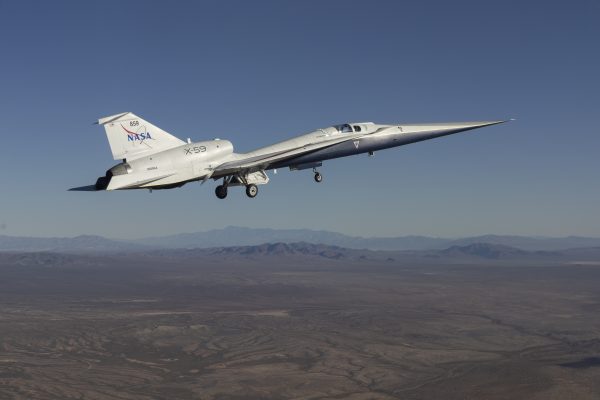
He played a pivotal role in advancing experimental aircraft capable of testing new propulsion systems, flight control technologies, and autonomous operations that have implications for future aerospace developments.
Legacy and Future of the Armstrong Center
Flick’s retirement marks the end of an era for NASA Armstrong. His leadership helped cement the center’s role as a key player in aeronautical research and flight testing. The center is expected to continue its mission in exploring revolutionary flight technologies under new leadership.
Looking ahead, the Armstrong Flight Research Center remains committed to supporting NASA’s objectives in aeronautics, including the development of sustainable aviation technologies and next-generation aircraft concepts.
Personal Reflections and Retirement Plans
After nearly four decades of public service, Flick expresses gratitude for the opportunities to contribute to NASA’s mission and the aerospace field. While specific details about his retirement plans have not been disclosed, he leaves behind a legacy of dedication and innovation.
The aerospace community anticipates the continuation of his influence through the programs and teams he helped build at Armstrong Flight Research Center.