NASA has announced that media accreditation is now open for the upcoming Northrop Grumman CRS-24 mission, which will deliver critical science investigations, supplies, and equipment to the International Space Station (ISS). The mission is set to launch in April using a SpaceX Falcon 9 rocket.
Mission Overview and Objectives
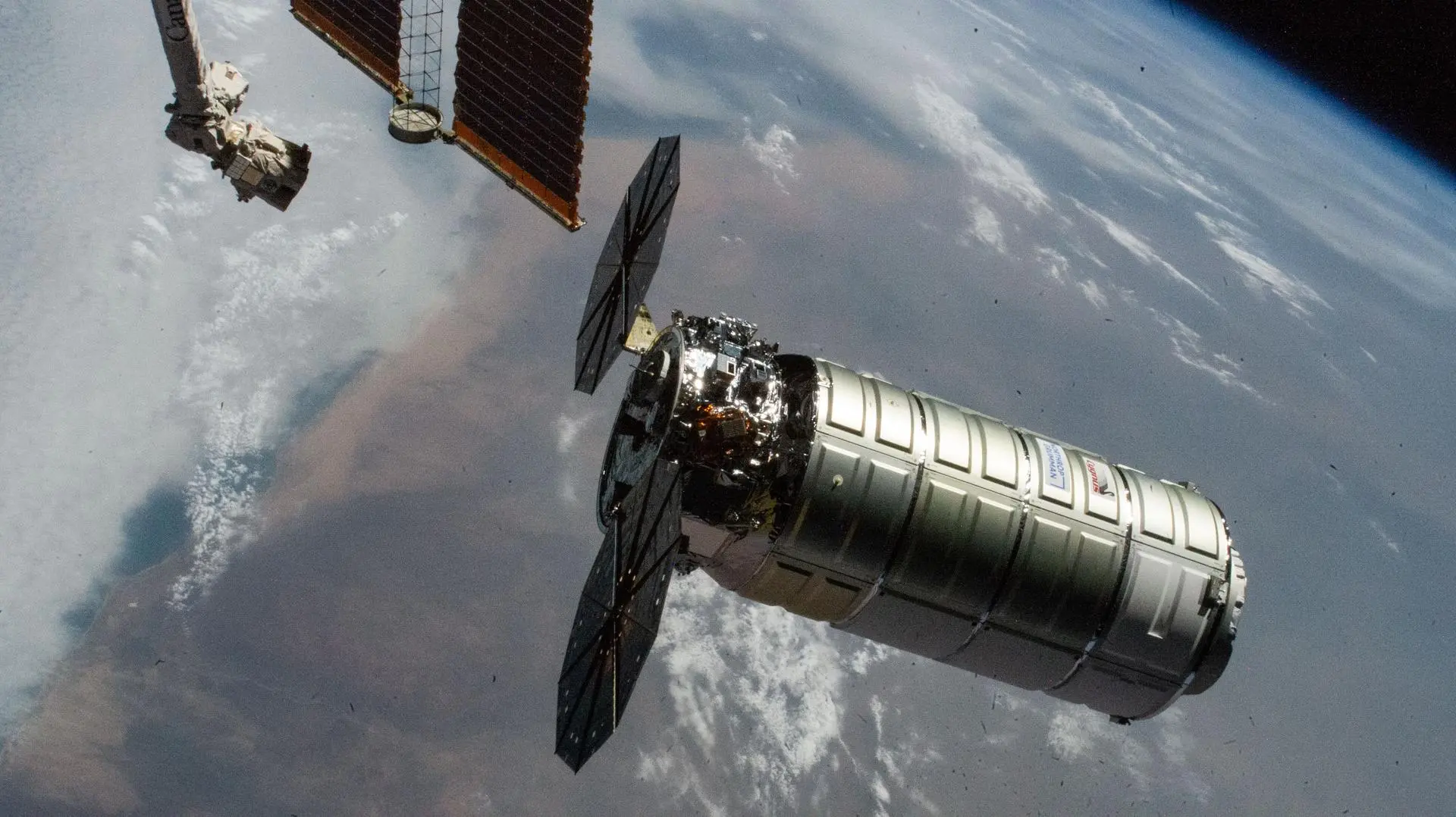
The Northrop Grumman CRS-24 mission is part of NASA’s Commercial Resupply Services program, aimed at supporting ongoing research onboard the ISS. The spacecraft, a Cygnus XL, is tasked with transporting a variety of NASA science payloads along with necessary supplies and hardware for astronauts living on the orbital laboratory.
This resupply effort ensures continued operation of the ISS and advances numerous scientific studies that rely on the unique microgravity environment offered in orbit.
Launch Details
The CRS-24 mission will launch aboard a SpaceX Falcon 9 rocket from Cape Canaveral Space Force Station in Florida. Scheduled for April, the exact launch date and timing will be confirmed closer to the event, taking into account weather conditions and technical readiness.
This collaborative approach between Northrop Grumman and SpaceX highlights the growing role of commercial providers in supporting national space exploration goals.
Media Participation and Coverage
NASA has invited journalists and media outlets to apply for accreditation to cover the launch and related events. Interested members of the press can submit requests to gain access to briefings, launch commentary, and onsite viewing opportunities, helping to inform the public about this critical space mission.
Comprehensive media coverage aims to increase awareness and understanding of the scientific and operational importance of resupply missions to the ISS.
Importance of the CRS-24 Mission to Space Research
The supplies and experiments delivered by CRS-24 will enable new scientific investigations across biology, materials science, and technology development. These experiments have the potential to advance knowledge in multiple fields and contribute to future long-duration human spaceflight missions.
Continuity of resupply missions like CRS-24 is essential to maintaining the ISS as a valuable platform for international space research and technology experimentation.