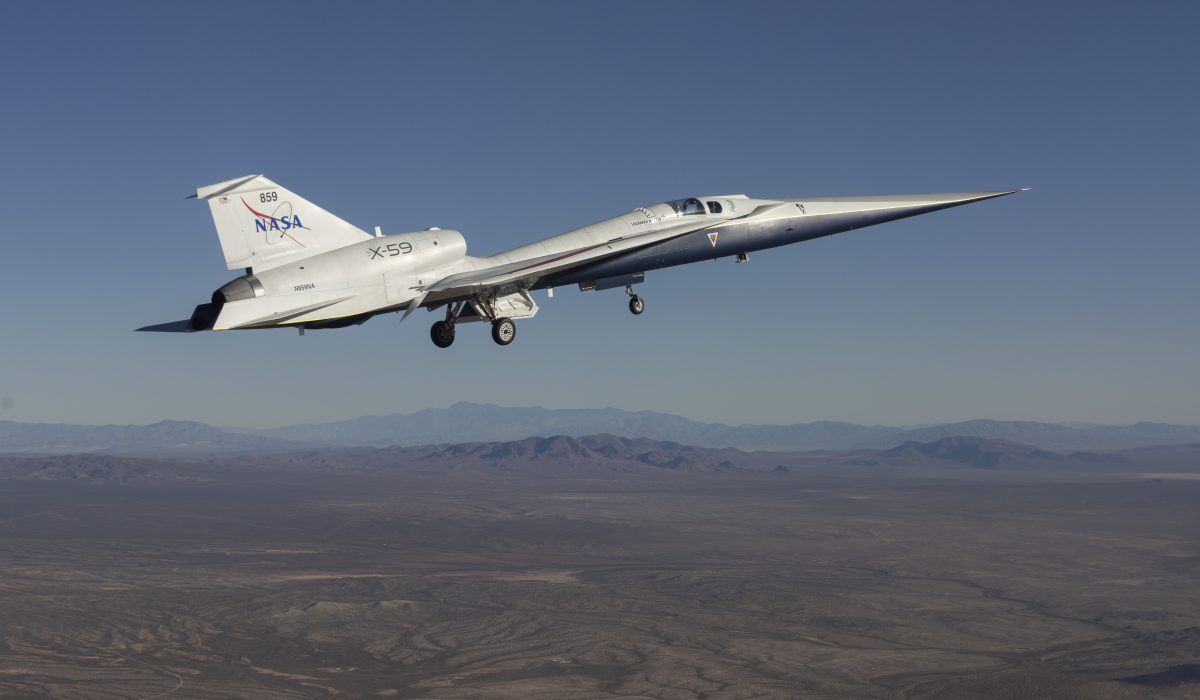
NASA’s Flight Demonstrations and Capabilities (FDC) project plays a critical role in advancing aeronautical technologies by conducting integrated small-scale flight research. Through modifying support aircraft, the project enables rigorous testing and validation of emerging technologies across various phases of development.
Purpose and Scope of the FDC Project
The FDC project focuses on validating the benefits of new aeronautical technologies through hands-on flight testing. It addresses the need to gather real-world data supporting the maturation of technologies from mid-readiness levels to full operational capability. This approach ensures safer, more efficient, and innovative aerospace systems in the future.
By leveraging specialized aircraft and rigorous test campaigns, the project integrates experimental technologies into realistic flight conditions. This allows researchers to observe the technologies’ performance beyond simulation and laboratory environments, offering crucial insights for further refinement.
Support Aircraft Fleet and Modifications
Central to FDC’s success is its ability to modify and utilize a fleet of support aircraft tailored for experimental research. These aircraft are equipped with instrumentation and safety features, including chase planes and in-flight measurement systems, to monitor and capture data during flights.
Modifications on the aircraft enable aggressive testing schedules while maintaining high safety standards. This flexibility allows the FDC project to efficiently support the experimental verification of diverse technologies, ranging from aerodynamics to avionics and propulsion systems.
Technology Readiness and Maturation Support
The technologies examined under the FDC project are often at mid-level technology readiness stages. The project facilitates their maturation through a series of testing phases that incrementally push capabilities from conceptual validation towards operational readiness.
This staged approach aligns with NASA’s broader research goals, effectively bridging gaps between theoretical developments and practical applications. As a result, the project accelerates the transition of innovative aerospace technologies to industry use and future missions.
Safety and Experimental Measurement Protocols
Safety remains a paramount concern during all flight tests conducted by the FDC project. The project incorporates comprehensive chase flight operations and in-flight experimental measurements to ensure test objectives are met without compromising crew or equipment safety.
Advanced instrumentation collects detailed aerodynamic, structural, and environmental data during flights. These measurements help validate the experimental technologies and refine system designs based on real operational conditions.
Impact on Aeronautics Research and Development
The FDC project significantly contributes to NASA’s mission of developing cutting-edge aerospace capabilities. By validating new technologies in realistic flight environments, it helps reduce risks and costs associated with technology development.
The project’s outcomes guide future research priorities and support the aerospace industry’s efforts to incorporate advanced technologies into commercial and government aircraft. Its work also informs regulatory considerations and helps streamline certification processes for innovative aviation systems.