
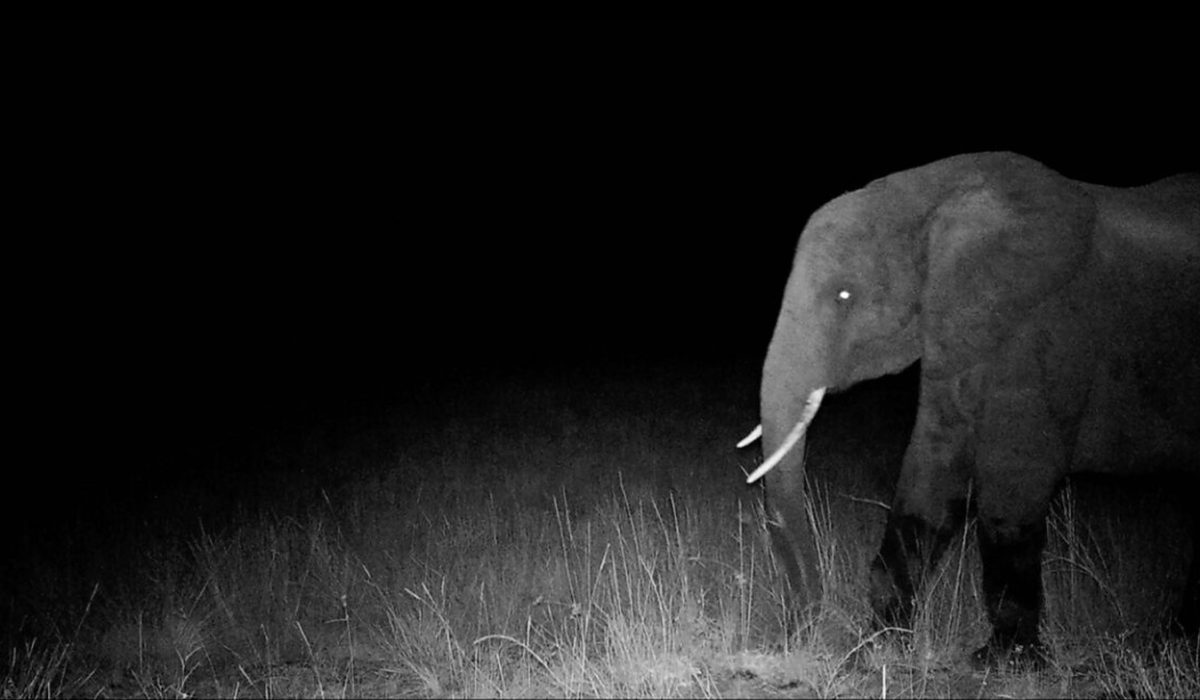
A new documentary directed by Werner Herzog showcases the dedicated efforts of an ornithologist searching for a potentially undiscovered species nicknamed “ghost elephants.” This film captures the intersection of wildlife exploration and scientific curiosity in remote regions.
Werner Herzog’s Unique Documentary Approach
Renowned filmmaker Werner Herzog is known for his evocative storytelling and ability to immerse audiences in extraordinary natural settings. In this latest project, Herzog turns his lens toward the dense forests where subtle and rare creatures might still exist, emphasizing the mystery and allure surrounding “ghost elephants.”
Herzog’s technique combines contemplative narration with intimate footage, creating a cinematic experience that highlights not only the quest for a new species but also the broader relationship between humans and nature.
The Ornithologist’s Scientific Mission
The central figure of the documentary is an experienced ornithologist whose academic background typically involves the study of birds. However, his interests have expanded to investigating rumors and anecdotal reports of large, elusive mammals inhabiting secluded forests, colloquially termed as “ghost elephants.”
This quest illustrates the challenges faced by scientists who venture into unexplored territories, relying on both modern technology and traditional observation methods to gather evidence of unknown wildlife.
Challenges in Discovering New Species
Searching for a new species in dense wilderness poses numerous difficulties. Difficult terrain, unpredictable weather, and the rarity of the animal in question all add layers of complexity. The documentary highlights these obstacles while showcasing the persistence and patience necessary for such endeavors.
Additionally, the elusive nature of “ghost elephants” means that definitive proof requires careful documentation and verification by the scientific community, making these expeditions critical for future biodiversity studies.
The Role of Wildlife Documentaries in Conservation
Documentaries like Herzog’s play an essential role in raising awareness about the unknown or underexplored aspects of wildlife. They foster public interest and support for conservation efforts, potentially influencing funding and policies aimed at protecting fragile ecosystems.
By bringing the story of “ghost elephants” to a global audience, the film encourages a deeper appreciation of the natural world and the ongoing need for scientific exploration.
Future Implications for Biodiversity Research
If concrete evidence of the “ghost elephants” is found, it could reshape current understanding of the region’s biodiversity. Such a discovery would highlight the importance of continued exploration in both zoology and ecology.
Moreover, the documentary underscores a broader scientific message: despite centuries of study, much of the natural world remains a frontier for discovery, urging collaborative efforts between scientists and local communities worldwide.