
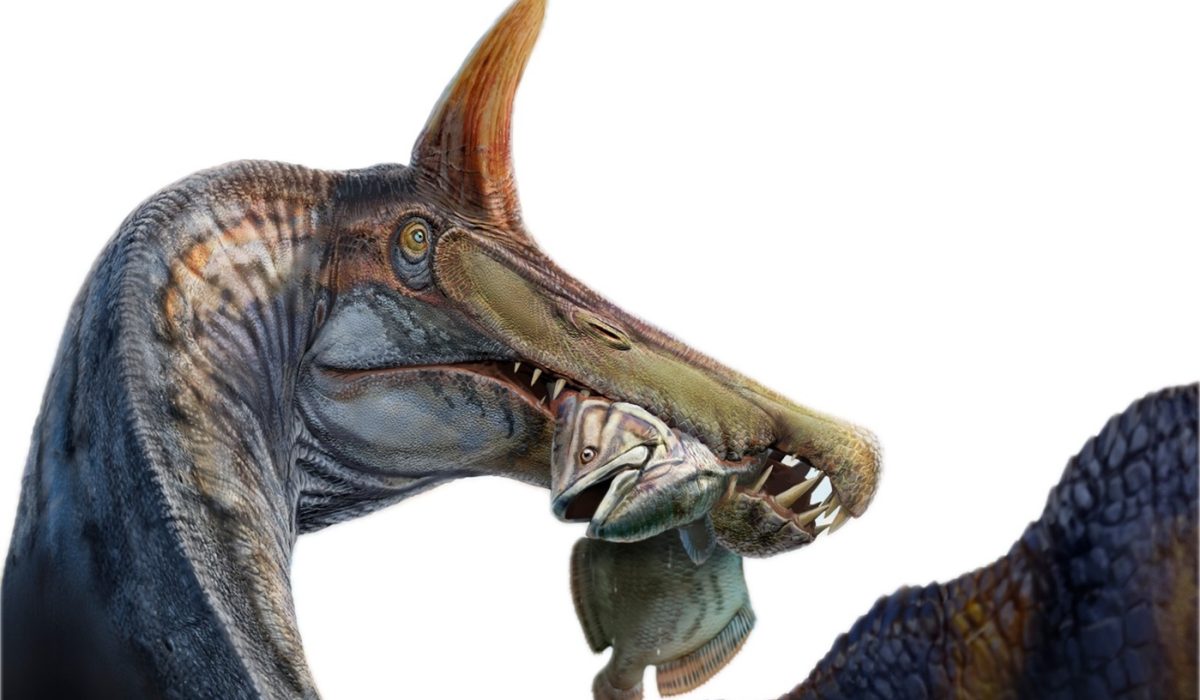
Scientists have uncovered a remarkable Spinosaurus specimen in the Sahara Desert, distinguished by its unique head spike and specialized jaws adapted for catching fish. This discovery offers new insights into the diversity and ecological adaptations of these prehistoric creatures.
Distinctive Physical Features of the Sahara Spinosaurus
The newly discovered Spinosaurus stands out due to a prominent single spike protruding from its head, a feature not observed in other known Spinosaurus fossils. Researchers believe this spike could have played a role in display or species recognition.
In addition to the spike, the dinosaur exhibits unique jaws designed specifically for piscivory, or fish-eating, characterized by elongated, crocodile-like snouts and conical teeth well-suited for capturing slippery prey. These adaptations underline the ecological niche this species occupied.
Implications for Spinosaurus Evolution and Behavior
This find challenges previous assumptions about Spinosaurus anatomy and behavior, suggesting that different populations may have evolved distinct physical traits according to their environment. It highlights the evolutionary diversity within this genus across prehistoric Africa.
The fish-catching specialization also confirms that Spinosaurus was well-adapted to semi-aquatic habitats, possibly spending significant time hunting in river systems or coastal environments during the Cretaceous period.
Significance of the Sahara Location
Discovering this Spinosaurus in the Sahara emphasizes the vast range these dinosaurs inhabited, spanning large parts of what is now North Africa. The Sahara, though a desert today, was once a lush area with abundant water bodies supporting diverse ecosystems.
Fossils from this region help paint a clearer picture of the ancient landscape, revealing how dinosaur species such as Spinosaurus adapted to different habitats within the African continent during a dynamic geological period.
Continued Research and Future Discoveries
Ongoing excavations and studies aim to better understand the anatomical details and paleoecology of this unique Spinosaurus specimen. Researchers hope to uncover additional fossils that will clarify its relationship to other members of the Spinosauridae family.
Future discoveries may also shed light on how climate change and environmental factors influenced the evolution and dispersal of these large theropod dinosaurs across prehistoric ecosystems.