
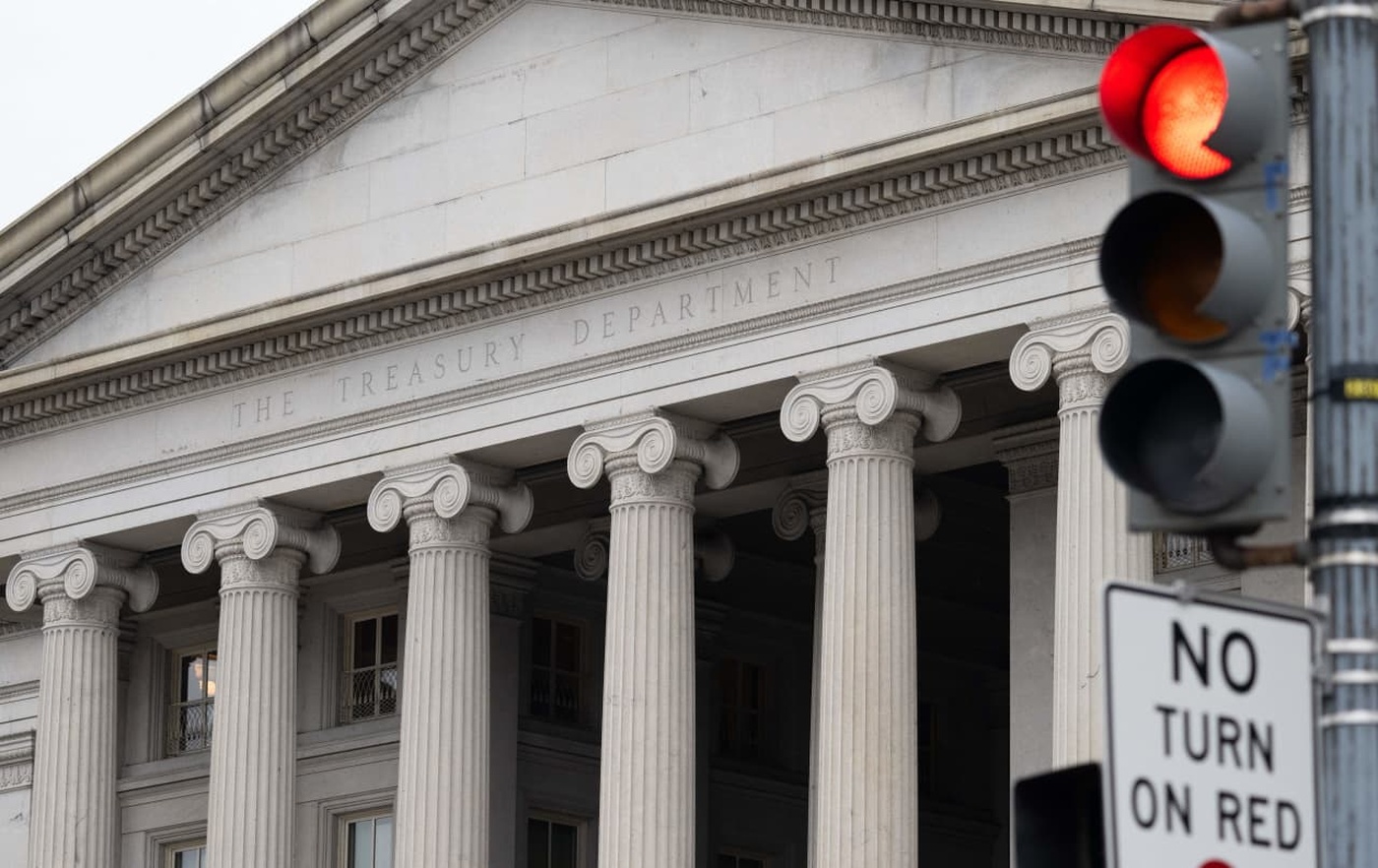
Global government bond markets experienced significant declines last week as escalating tensions in Iran and rising oil prices spurred investor concerns, resulting in the worst Treasury market performance since notable volatility surrounding the so-called “liberation day” chaos.
Impact of Rising Oil Prices on Bond Markets
The surge in crude oil prices intensified market anxiety, prompting widespread selling of government bonds across major economies. Higher oil prices often stoke fears of increased inflation, which can erode fixed-income returns, leading investors to reduce their bond holdings.
As geopolitical tensions in the Middle East heightened, crude benchmarks climbed substantially, driving yields upward and pushing bond prices downward. This dynamic unfolded rapidly and broadly, affecting Treasury markets in the United States and government debt in other regions alike.
Geopolitical Escalation in Iran
Continued conflict and instability in Iran have contributed to elevated global risk sentiment. The extension of hostilities into the weekend raised concerns about further disruptions to oil supply chains, exacerbating the price rally and unsettling fixed income markets.
Investors responded to these developments by repositioning portfolios, favoring assets perceived as safer or less vulnerable to inflation risks, thereby intensifying outflows from sovereign bonds.
Comparison to Past Market Volatility
Market analysts have drawn parallels between the current Treasury sell-off and last year’s turbulent period marked by the “liberation day” chaos, which saw significant dislocations in bond markets amid broader market volatility.
This recent episode stands out as one of the most severe weekly declines in government bond prices in recent memory, underscoring the sensitivity of fixed-income markets to geopolitical and commodity price shocks.
Implications for Investors and Policymakers
For investors, the turbulence presents challenges in managing portfolio risk, particularly as inflationary pressures from rising energy costs remain a concern. Strategies to mitigate duration risk or diversify holdings have gained renewed attention.
Policymakers are also monitoring the situation closely, balancing the need to support economic growth against the risks of inflation and financial market instability. Central banks may face increased pressure to adjust monetary policies in response to evolving inflation dynamics.
Outlook for Treasury and Oil Markets
Market participants will be watching developments in the Iran conflict and global oil supply conditions closely, as these factors will likely continue to influence bond yields and price trends. While some volatility is expected to persist, longer-term trajectories will depend on geopolitical resolutions and demand fundamentals.
Analysts emphasize the importance of monitoring inflation data and central bank communications for further insight into how government bond markets may evolve in this uncertain environment.