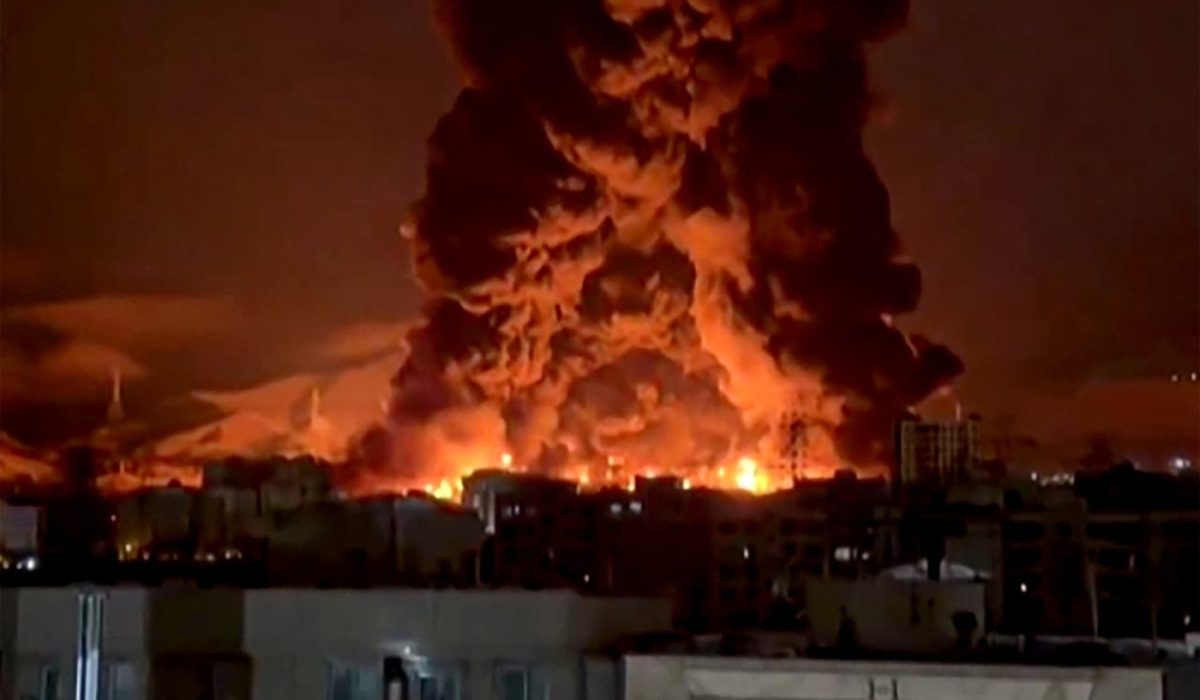
Oil prices have surged above the $100 per barrel mark, reaching levels not seen since 2022. The spike comes amid escalating conflicts involving Iran and reports of production cuts by some major oil-producing nations.
Escalation of Conflict in Iran
Tensions in the Middle East, particularly involving Iran, have intensified recently, causing concern in global oil markets. The ongoing conflict shows no signs of de-escalation, which is fueling fears of supply disruptions from the region.
Iran’s geopolitical influence in global energy markets means that any instability there can have a pronounced effect on oil prices. Traders are closely monitoring developments as uncertainty mounts.
Impact of Production Cuts by Major Oil Producers
Several leading oil-producing countries have reportedly reduced their output in response to market conditions and geopolitical risks. These production cuts are tightening supply, further driving prices upward.
The combination of reduced supply and heightened geopolitical risk has created a volatile environment for crude markets, contributing to the rapid price increase.
Market Reactions and Economic Implications
Financial markets have responded swiftly to the oil price surge, with energy stocks seeing increased activity. Higher oil prices can lead to broader inflationary pressures, affecting economies worldwide.
Consumers may experience increased fuel costs, impacting transportation and goods prices. Central banks and policymakers will likely monitor the situation closely to manage potential economic fallout.
Outlook for Oil Prices
Analysts remain cautious about the near-term outlook for oil, given the unstable geopolitical environment. Prices could remain elevated if the conflict continues and production constraints persist.
However, any diplomatic resolution or changes in production policies may help stabilize or reduce prices in the future. Market participants are advised to watch for these developments closely.