
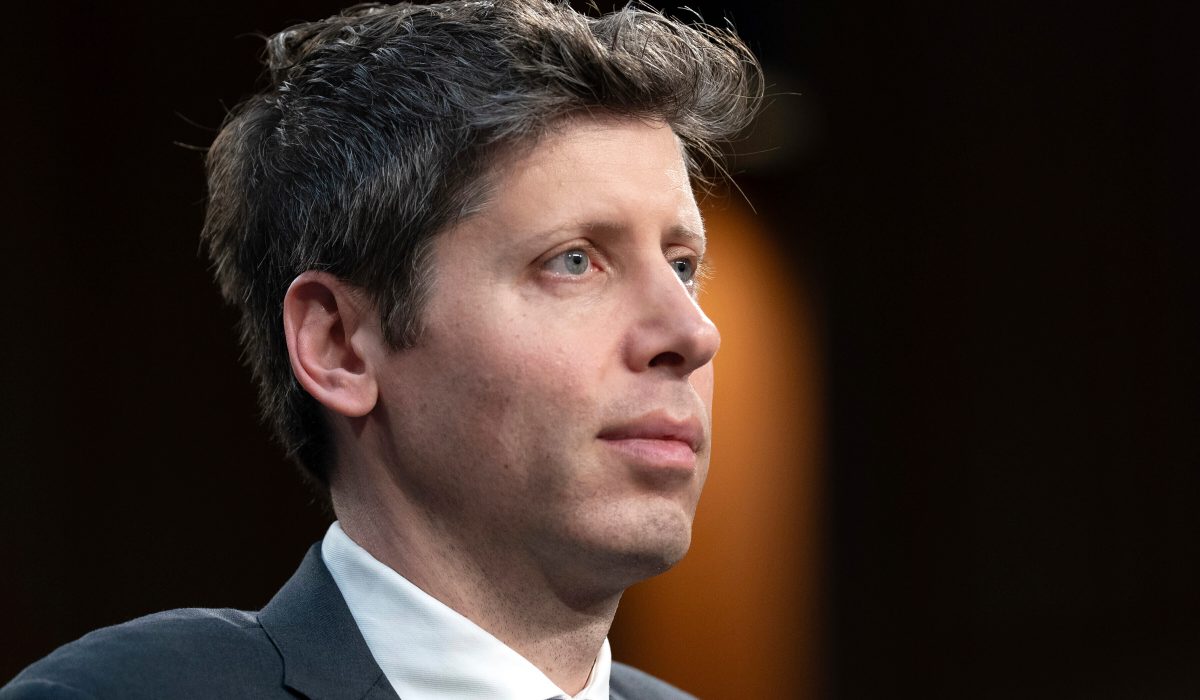
In the wake of a recent school shooting incident in Canada linked to activity on the ChatGPT platform, OpenAI’s CEO Sam Altman has reportedly committed to implementing stronger safety measures. These protocols aim to enhance collaboration with law enforcement and better address high-risk cases involving Canadian users.
Background of the Incident and Initial Response
A mass shooting at a Canadian high school prompted scrutiny of online activities linked to the suspect. OpenAI had flagged the individual’s account for potential violent intent and subsequently suspended it. However, the company did not notify authorities, leading to questions about its safety response protocols. This incident spurred Canadian officials to engage with OpenAI on improving oversight and preventative actions.
The Canadian government, through its Artificial Intelligence Minister Evan Solomon, has publicly stated that OpenAI’s leadership agreed to take additional steps to ensure safety enhancements on the ChatGPT platform. These developments come amid heightened concerns around AI-driven platforms and real-world threats.
Commitments to Law Enforcement Collaboration
Following a virtual meeting between Minister Solomon and Sam Altman, OpenAI pledged to incorporate feedback from Canadian privacy, mental health, and law enforcement experts. The company is set to develop new procedures for identifying and reviewing potentially dangerous cases.
A key element of this commitment involves the promise to notify police promptly about suspicious activity related to credible threats. This marks a significant shift toward proactive cooperation with authorities and more transparent handling of user risks on AI platforms.
Review and Retroactive Actions
Minister Solomon has requested that OpenAI not only apply these safety protocols moving forward but also retroactively review previous suspicious cases. This would potentially involve sharing relevant data with law enforcement to prevent similar incidents.
At present, there has been no confirmation whether OpenAI agrees to the retroactive data sharing aspect. The company has yet to publicly discuss the scope or timeline of implementing these retroactive reviews.
Enhancing User Safety and Platform Policies
OpenAI has also indicated it will strengthen detection mechanisms to prevent banned users from returning to the platform. This addresses an earlier issue where the alleged shooter was able to create a second account despite an initial ban due to warnings of potential violence.
OpenAI’s Vice President of Global Policy, Ann O’Leary, highlighted ongoing efforts to refine these systems to better detect and restrict users who pose credible threats, marking an important aspect of the company’s broader safety strategy.
Next Steps and Broader Implications
Engadget has reached out to OpenAI for further clarity on whether these new safety protocols will apply exclusively in Canada or be expanded globally. Updates will follow as more information becomes available.
This development underscores the growing pressure on AI companies to balance technological innovation with robust safety mechanisms, especially when public safety is at risk. The Canadian government’s involvement could serve as a precedent for other nations seeking stricter regulation or partnership in AI oversight.