A recent report from a coalition of environmental and social advocacy organizations outlines significant progress in making electric vehicle (EV) supply chains more sustainable. Tesla has emerged as the industry leader, while several Chinese EV manufacturers have shown the fastest improvements over the past year.
Overview of the Report on EV Supply Chain Sustainability
The report assesses the environmental and social impacts of the EV supply chain, including raw material sourcing, manufacturing processes, and labor practices. It highlights efforts to reduce carbon emissions, improve transparency, and enforce ethical standards at every stage.
Key industry players were evaluated based on how they manage risks related to mining, resource consumption, and community impacts. The coalition emphasizes that improving supply chain sustainability is vital for the long-term success and consumer acceptance of electric vehicles worldwide.
Tesla’s Leadership in Sustainable Practices
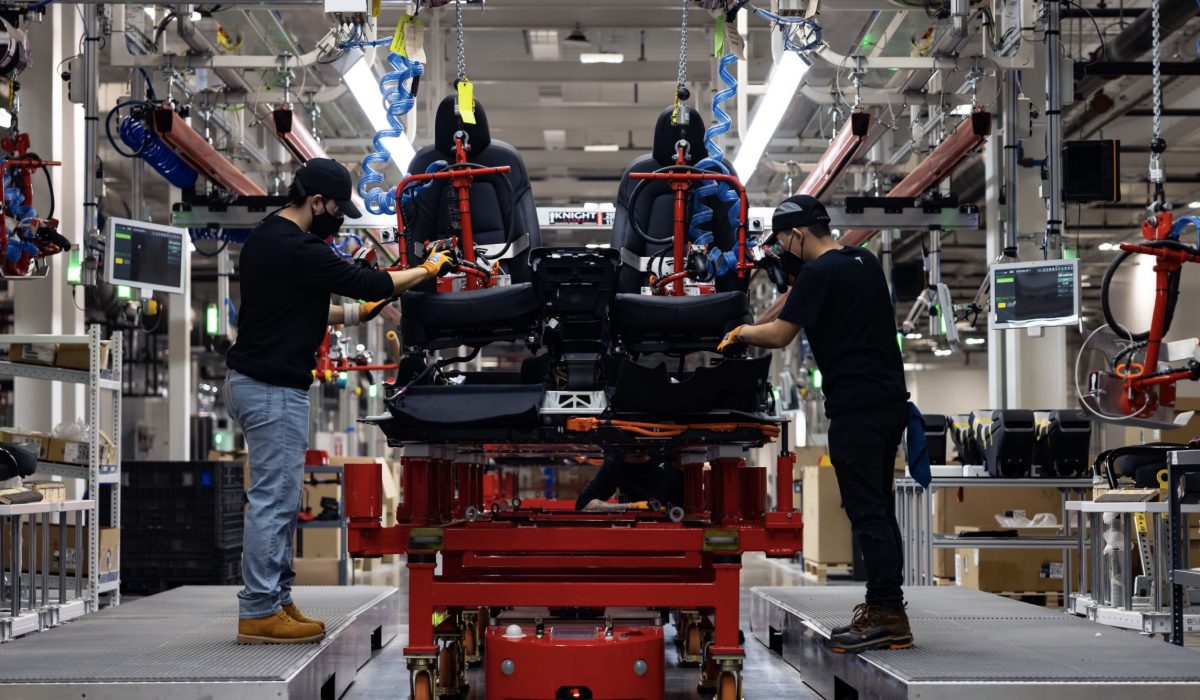
Tesla was recognized for its comprehensive initiatives aimed at ensuring a cleaner supply chain. These include commitments to source cobalt and lithium responsibly, investments in battery recycling, and efforts to increase supply chain transparency through public reporting.
Additionally, Tesla has integrated environmental and social governance (ESG) criteria into supplier selection and maintains active engagement with local communities near resource extraction sites. These steps have set a benchmark for other manufacturers in the industry.
Rapid Progress by Chinese Electric Vehicle Manufacturers
The report notes that Chinese EV companies have made the quickest strides in improving supply chain sustainability over the last year. Many have adopted new standards for responsible sourcing and increased environmental oversight within their operations.
This momentum is partly driven by domestic regulatory pressures as well as growing international demand for ethically produced vehicles. The advancements by Chinese brands demonstrate their commitment to align with global sustainability norms and enhance their market competitiveness.
Challenges Remaining in Cleaner EV Supply Chains
Despite positive developments, the report also acknowledges ongoing challenges. These include addressing the environmental impact of mining rare earth elements and ensuring fair labor conditions in countries where raw materials are extracted.
Supply chain complexity continues to pose obstacles in verifying sustainability claims, especially among smaller suppliers. The coalition calls for increased collaboration between manufacturers, governments, and NGOs to strengthen enforcement and transparency.
Future Outlook for the EV Industry
The report suggests that continued innovation in materials processing, battery technology, and recycling will be critical to further reduce the environmental footprint of electric vehicles. Greater regulatory frameworks and consumer awareness are expected to drive industry-wide improvements.
As sustainability becomes a key factor in consumer choices, automakers that actively address supply chain issues will likely benefit from stronger market positions and enhanced brand reputations in the expanding EV sector.