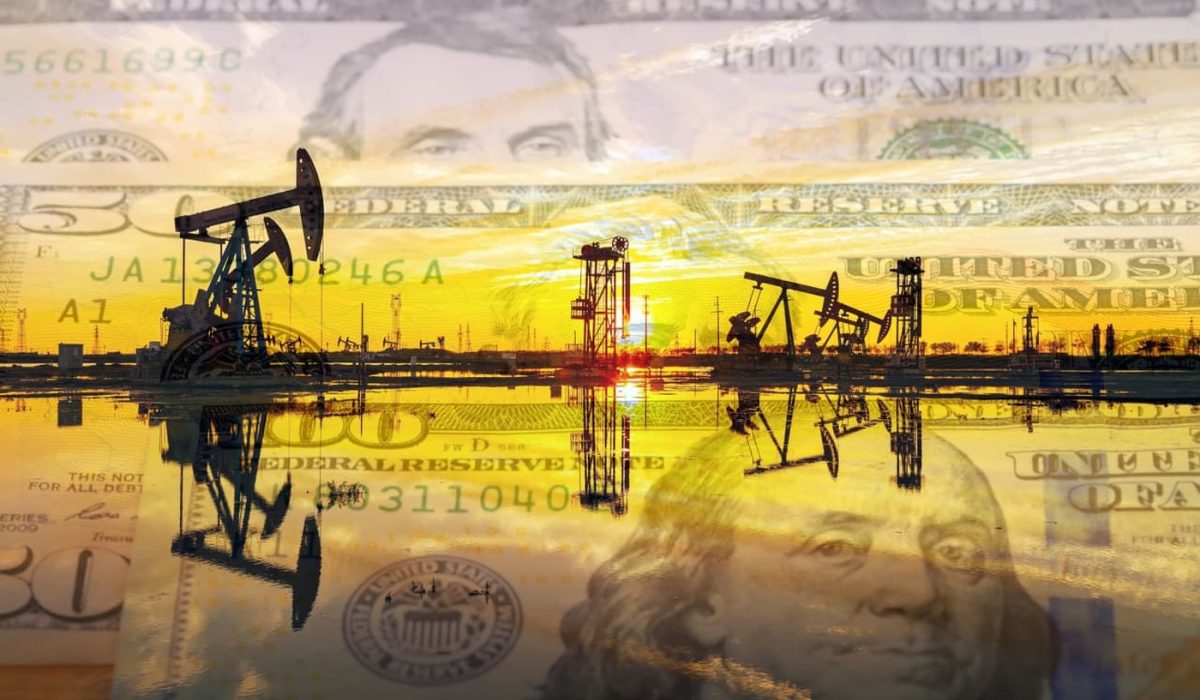
The recent surge in oil prices has sparked widespread discussions about a possible economic crisis. With prices nearing historic highs, analysts and market watchers are closely monitoring the potential ripple effects on global economies.
Current Trends in Oil Pricing
Oil prices have experienced a sustained upward trend over the past several weeks, continuing their climb toward record levels. Multiple factors including geopolitical tensions, supply chain disruptions, and rising demand contribute to this increase.
The heightened prices have raised alarms among investors and policymakers as energy costs typically influence inflation and production expenses. The possibility of reaching all-time highs underscores the fragile balance in the global energy market.
Implications for the Global Economy
Higher oil prices can significantly impact economic growth by increasing operational costs for businesses and consumers alike. Energy-intensive industries such as manufacturing and transportation may face tightened profit margins, potentially leading to slower economic activity.
Consumers may also feel the strain through increased fuel and utility bills, which can reduce discretionary spending and potentially dampen overall economic demand. These factors combined can slow down recovery efforts in many regions still affected by recent economic challenges.
Risk of an Economic Downturn
Economists worry that sustained elevated oil prices could trigger a chain reaction, pushing economies into recessionary territory. Energy price shocks historically have led to higher inflation and reduced consumer confidence, both of which undermine growth prospects.
The uncertain geopolitical landscape and constrained energy supply add to concerns about prolonged price pressure. As a result, some analysts warn about a “doomsday scenario” if prices remain unchecked and inflationary pressures intensify.
Responses from Policymakers and Markets
Governments and central banks are paying close attention to the evolving situation, weighing potential responses to mitigate economic fallout. This includes strategies like strategic oil reserves releases or adjusting monetary policies to control inflation.
Financial markets remain volatile as investors react to both the oil price movements and related economic indicators. Markets will likely continue to reflect concerns about the implications of high energy costs on corporate earnings and consumer behavior.
Outlook for the Oil Market
While short-term price spikes dominate headlines, long-term oil market dynamics remain complex. Factors such as renewable energy adoption, global demand shifts, and potential alternative supply sources may influence future price trajectories.
Monitoring these evolving factors will be crucial for businesses, governments, and investors aiming to navigate the uncertain economic landscape shaped by energy price volatility.