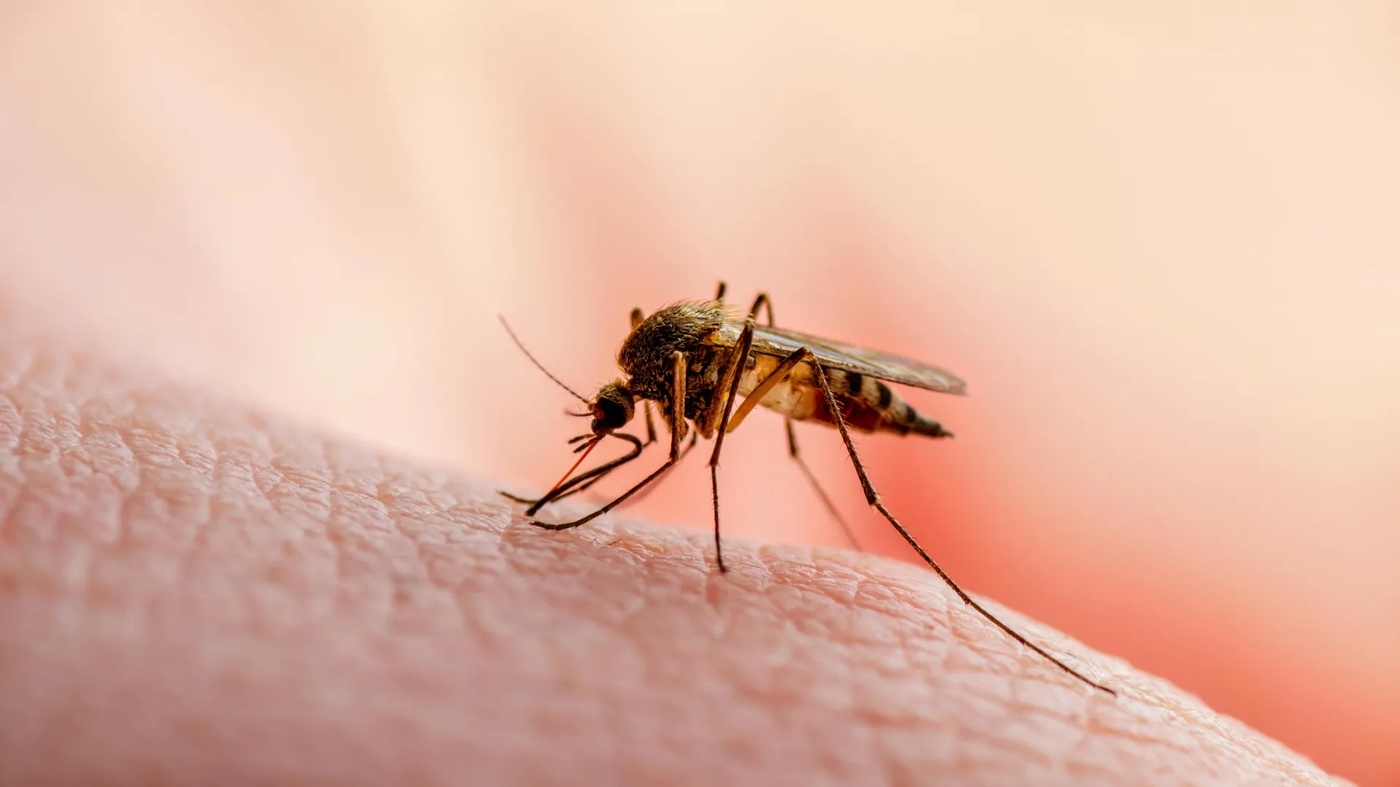
Scientists have made a significant breakthrough in the fight against malaria by identifying a protein vital to the parasite’s ability to reproduce and spread. The protein, known as Aurora-related kinase 1 (ARK1), plays a critical role in the parasite’s unique cell division process. Its function resembles that of a traffic controller, ensuring accurate segregation of genetic material during multiplication.
In laboratory experiments, researchers were able to disable ARK1, which resulted in the malaria parasite being unable to replicate properly. Without ARK1, the parasite’s life cycle was interrupted, preventing it from completing development within both human hosts and mosquito vectors. This effectively halted the parasite’s capacity to propagate and cause infection.
The discovery of ARK1’s role provides new insight into the cellular biology of malaria parasites and highlights a promising target for future drug development. By focusing on this protein, scientists hope to develop treatments that can disrupt the parasite’s reproduction without harming human cells.
This advancement could mark a crucial step forward in malaria control efforts, offering a new strategy to combat a disease that continues to affect millions worldwide. Further research will be required to translate these findings into effective therapeutic solutions.