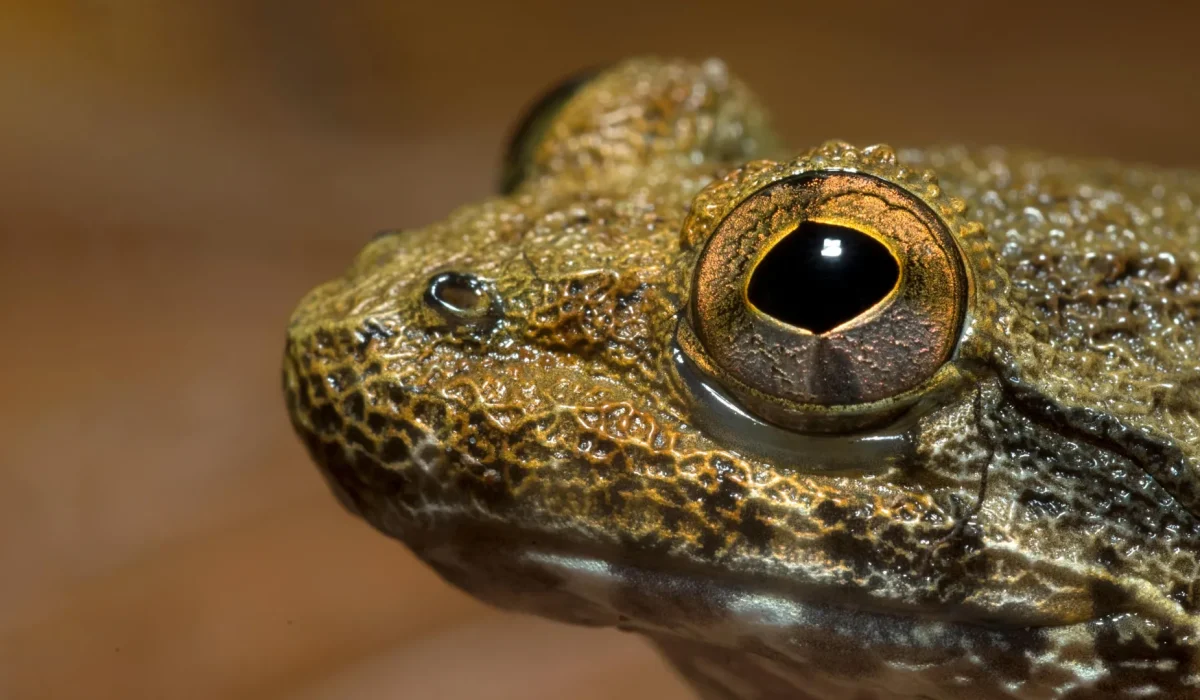
New genetic research has revealed that the fanged frogs of Borneo, previously thought to represent a single species, actually consist of multiple distinct but closely related species. This discovery underscores complexities in species classification that have significant implications for biodiversity conservation.
DNA Analysis Reveals Cryptic Species
Recent advances in DNA sequencing techniques have allowed scientists to examine the genetic makeup of Borneo’s fanged frogs in unprecedented detail. What was once considered a single species based on physical characteristics turned out to be several genetically distinct groups. This phenomenon, where multiple species are hidden within what appears to be one, is known as cryptic speciation.
The study highlights how morphology alone can be misleading when identifying species. The frogs look remarkably similar but possess genetic differences that can be critical for understanding their evolutionary histories and ecological niches.
The Blurred Boundaries of Species Classification
Despite the genetic differences, the line between these fanged frog groups is often blurred. Overlapping characteristics and interbreeding tendencies make it difficult to designate clear-cut species boundaries. This ambiguity poses challenges for taxonomists who seek to classify and name biodiversity accurately.
Such blurred distinctions also raise questions about how species are defined in the context of conservation biology. Determining where one species ends and another begins can affect protection priorities and legal frameworks.
Implications for Wildlife Protection
Recognizing multiple hidden species among what was thought to be a single population directly impacts conservation strategies. Each cryptic species may have different habitat requirements, population sizes, and vulnerabilities, necessitating tailored protection efforts. Failing to identify these distinctions risks overlooking species that are rarer or more threatened.
This research stresses the importance of integrating genetic data with traditional ecological studies to better inform conservation policies. Protecting biodiversity in regions like Borneo, which is rich in unique but vulnerable wildlife, requires a nuanced understanding of species diversity.
Broader Impact on Biodiversity Studies
The findings on Bornean fanged frogs are part of a growing body of research revealing hidden biodiversity across many animal groups worldwide. Cryptic species are increasingly recognized in insects, mammals, birds, and other amphibians, prompting a reevaluation of global species counts and conservation assessments.
These revelations emphasize that much of Earth’s biodiversity remains undocumented and that continued exploration using molecular tools is critical. Accurate species identification supports better ecosystem management and helps safeguard the planet’s biological heritage.