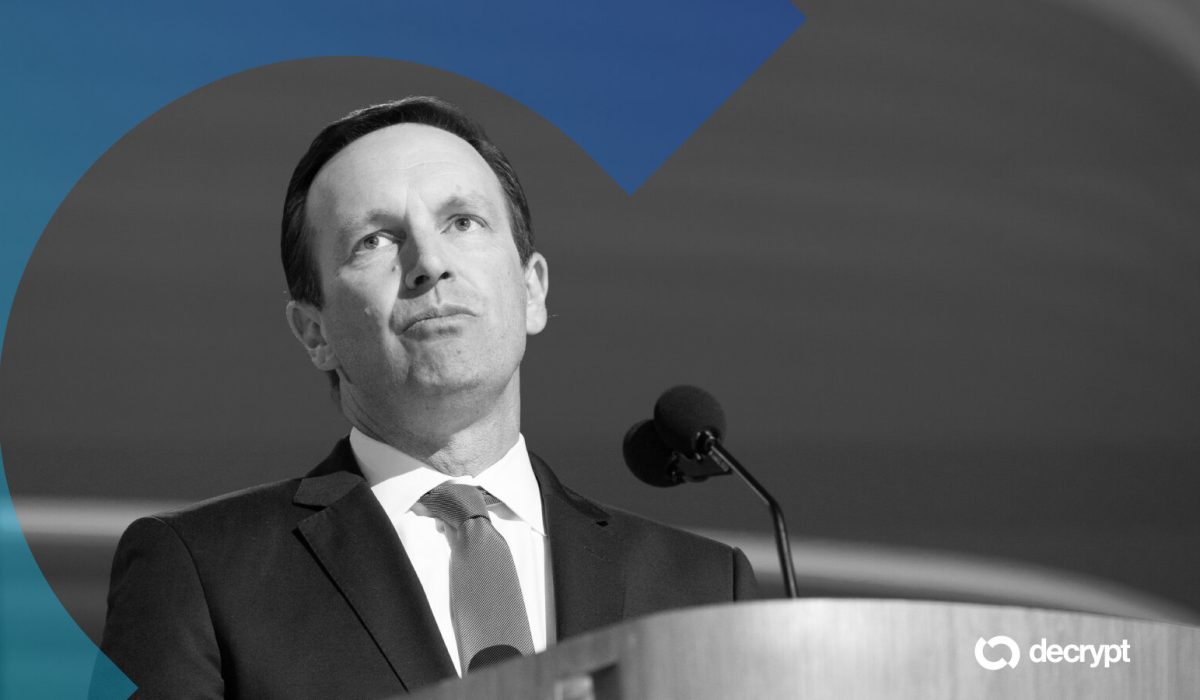
A U.S. senator has publicly voiced concerns over alleged corruption linked to the White House in relation to prediction markets forecasting the possibility of war in the Middle East. The controversy involves financial markets that allow participants to bet on geopolitical events, including the potential for conflict involving Iran.
Senator’s Allegations Against the White House
The senator criticized White House officials for reportedly maintaining ties to prediction markets that speculate on the outbreak of war with Iran. He suggested that these markets could be incentivizing conflict or benefiting certain actors financially, raising ethical and transparency questions regarding government involvement.
Such accusations imply potential conflicts of interest where government officials might profit or indirectly influence these markets, which could undermine public trust and national security considerations. The senator calls for greater oversight to prevent any misuse of insider information or government influence.
Understanding War Prediction Markets
Prediction markets are platforms where individuals can place bets on the likelihood of future events, including political outcomes and conflicts. These markets aggregate collective forecasts and are sometimes used as tools for gauging the probability of global events.
However, when applied to sensitive topics like international war, these markets raise ethical issues. The possibility of profiting from outbreaks of violence or conflict is controversial and can prompt allegations of moral hazard, especially if government actors seem implicated.
Potential Implications for Policy and Governance
The senator’s accusations could prompt further investigation into how prediction markets are monitored and regulated, particularly with respect to government officials’ involvement. In the U.S., such scrutiny might lead to calls for legislative action to increase transparency and accountability.
Government transparency advocates argue that any perceived conflict of interest in such markets could fuel misinformation and harm diplomatic efforts. Ensuring clear boundaries between public officials and financial speculation on sensitive topics is seen as crucial for maintaining trust.
Reactions from Market and Political Observers
Market analysts note that while prediction markets have grown in popularity, their regulation remains complex due to the blending of financial speculation with political forecasting. Observers warn that without sufficient oversight, these markets can be vulnerable to manipulation or abuses.
Politically, several lawmakers are expected to monitor the situation closely. There is growing bipartisan interest in scrutinizing the ethical dimensions of financial instruments tied to national security risks and foreign policy.