
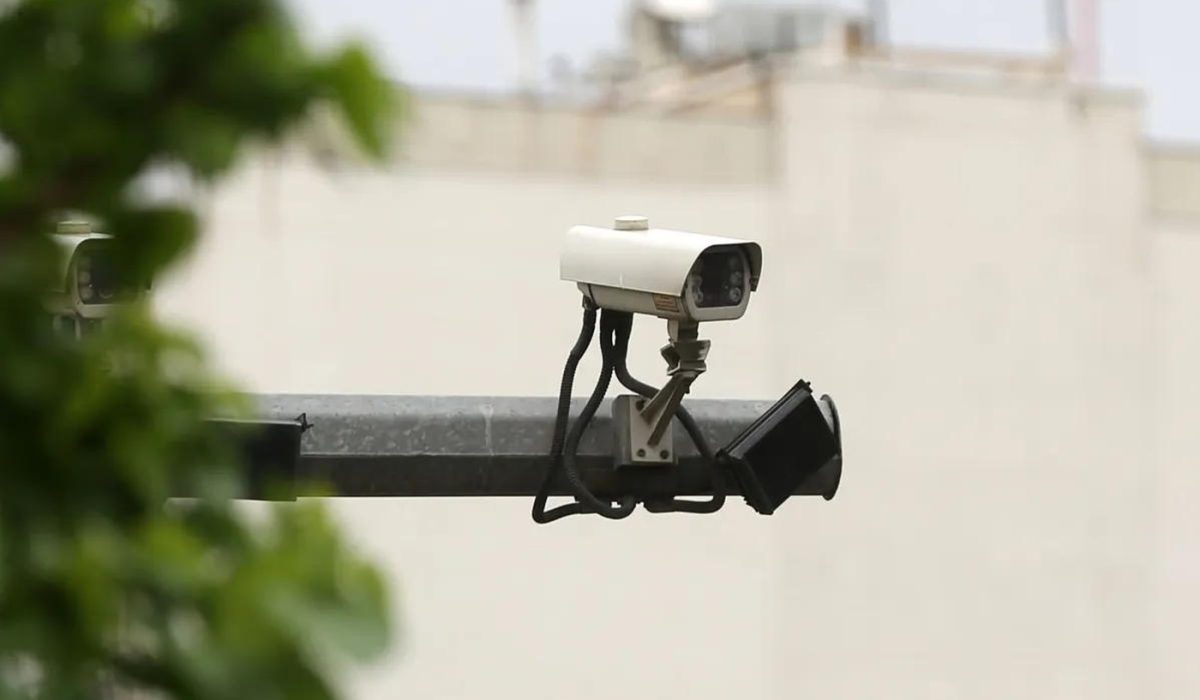
Recent research has highlighted a surge in attempts by state-affiliated hacking groups, particularly those linked to Iran, to compromise consumer-grade security cameras across various countries including Ukraine. These efforts underscore growing concerns about vulnerabilities in widely used Internet of Things (IoT) devices and the potential for them to be exploited for espionage or sabotage.
Overview of the Security Camera Breach Attempts
Security experts have observed an increase in attack campaigns aimed at hijacking Internet-connected surveillance cameras. These devices, often favored for home and small business security, are targeted due to weak default credentials, outdated firmware, and lack of robust security features.
The research indicates that Iranian state-linked threat actors are among the most active groups exploiting these vulnerabilities. They have reportedly been conducting systematic scans to discover vulnerable cameras followed by attempts to infiltrate and control them remotely.
Motivations Behind the Attacks
The primary motivation appears to be gaining unauthorized access to visual data and potentially establishing persistent surveillance channels. For state actors, such access offers significant intelligence-gathering opportunities without the need for physical presence.
In the context of Ukraine and other conflict-affected regions, compromised cameras could be used to monitor movements or gather tactical information. Beyond intelligence, these breaches could facilitate other malicious activities including launching further cyberattacks or establishing reconnaissance in networks.
Impact on Consumers and Organizations
Consumers relying on these affordable, off-the-shelf security devices face risks including privacy invasions and unauthorized data exposure. Organizations using similar devices for perimeter surveillance may find their security compromised, posing challenges to physical and cyber protection.
The increasing prevalence of such attacks stresses the urgent need for end users to adopt stronger cybersecurity practices such as changing default passwords, regularly updating device firmware, and using devices from manufacturers with transparent security policies.
Recommendations from Security Researchers
Experts emphasize the importance of awareness among users regarding IoT security. They recommend network segmentation, locking down device access through VPNs, and employing strong encryption standards where available.
Furthermore, manufacturers are called upon to prioritize security enhancements in future device designs including multi-factor authentication and automatic firmware updates to mitigate risks inherent in consumer-grade devices.
Broader Implications for Cybersecurity
The targeting of consumer security cameras by state-linked actors highlights the vulnerabilities present in the expanding IoT landscape. It serves as a cautionary example of how relatively low-cost devices can be exploited for strategic gains by sophisticated attackers.
This trend points to a need for global collaboration in establishing standards and regulations to secure IoT ecosystems and protect both public and private interests from malicious cyber intrusions.