A recent game listing on Steam has raised eyebrows for its striking similarities to multiple popular games, prompting discussions about originality and intellectual property in the gaming community.
Allegations of Unoriginal Design
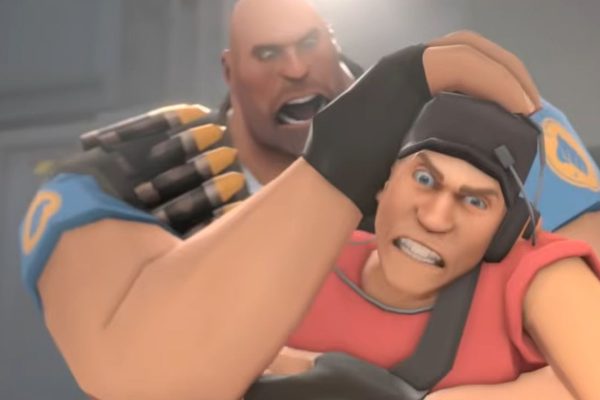
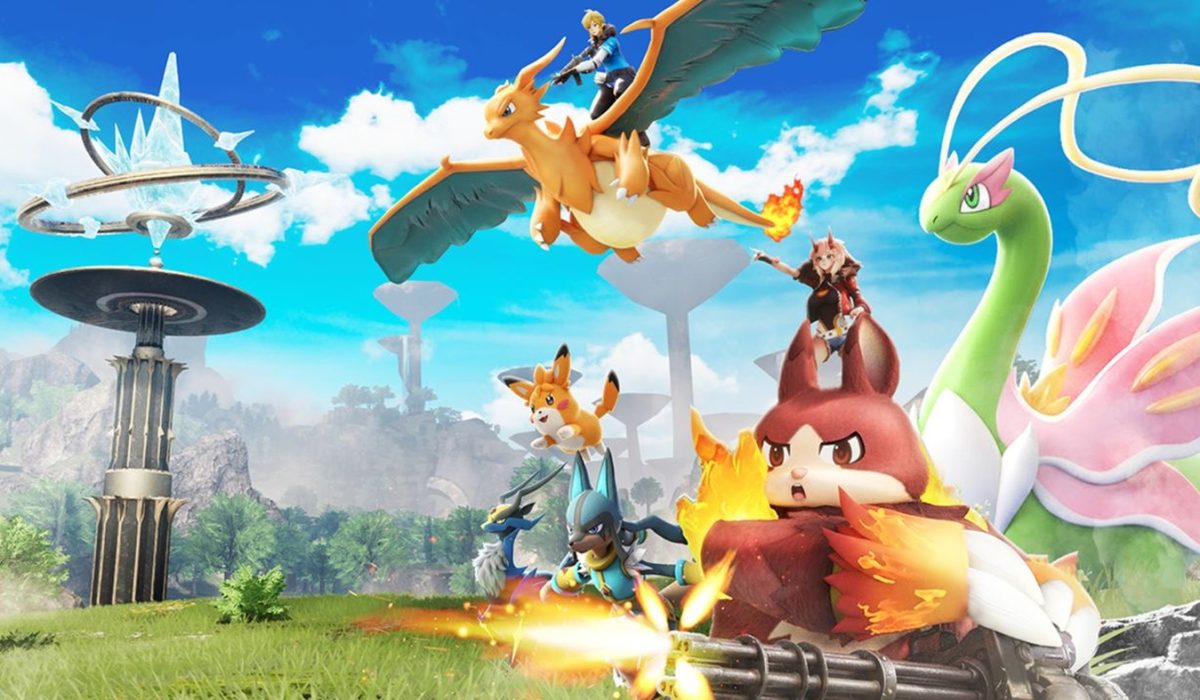
The game in question has been criticized for closely mimicking characters and gameplay elements from iconic franchises such as Pokémon, The Legend of Zelda, and Overwatch. Observers note that the visuals and mechanics appear to be directly lifted or heavily inspired without significant modification, sparking accusations of being a “knockoff.”
This style of design raises questions about the boundaries between inspiration and imitation, especially in a landscape where fan creations and tribute works are common, yet must avoid legal complications and ethical breaches.
Comparisons to Palworld
Commentators have drawn parallels between this new Steam listing and Palworld, a game already known for its controversial blending of cute creature collection with darker survival elements. However, the new listing has been described as demonstrating a level of copycat practice surpassing even what Palworld has attempted.
This comparison further fuels debate about originality in the survival crafting genre, where combining various existing game mechanics is a frequent strategy, but may cross lines when the replication becomes too blatant.
Community Reactions and Criticism
Players and critics alike have expressed discomfort and disapproval on social media and forums. Many voices highlight that such uninspired replication could harm the industry by undermining creativity and disrespecting the work of established developers.
Others have called for more stringent review processes on digital distribution platforms like Steam to prevent similar cases from gaining exposure and potentially profiting from established IPs.
Implications for Developers and Platforms
This situation underscores the challenges platforms face in policing content for copyright infringement and originality. Balancing an open marketplace with protecting intellectual property rights continues to be a complex issue for digital storefronts.
It also serves as a cautionary tale for developers, as the line between homage and plagiarism remains closely scrutinized by both audiences and rights holders, with reputational consequences often swift and severe.