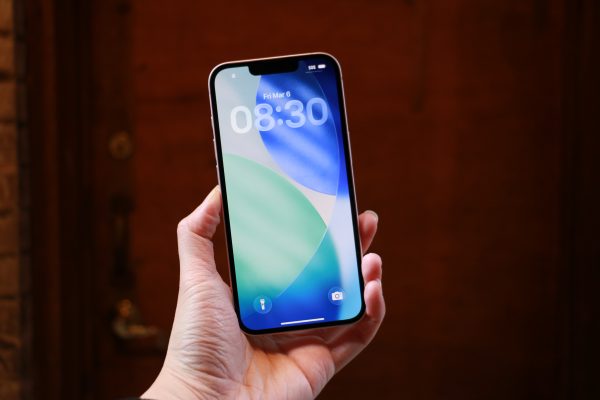
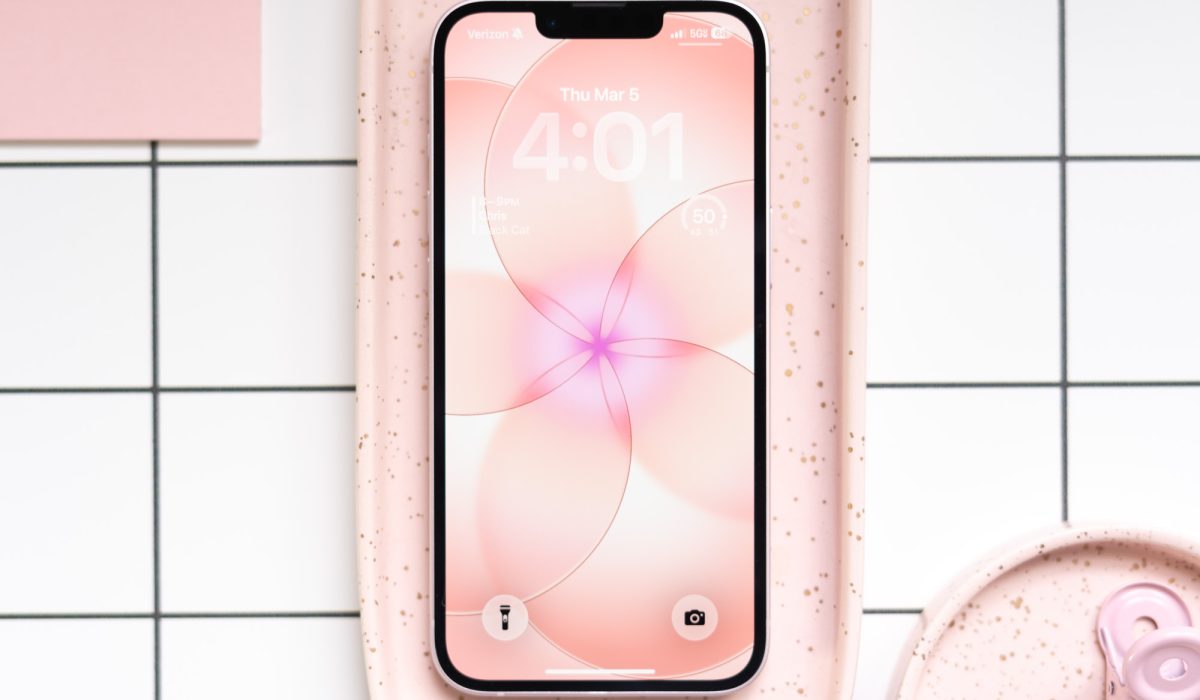
The recently launched iPhone 17E brings some modest enhancements over its predecessor, the iPhone 16E, offering slightly better value. However, the increased cost relative to the standard iPhone 17 raises questions about its appeal to most consumers.
Overview of the iPhone 17E Features
The iPhone 17E delivers a number of improvements in design and performance compared to the iPhone 16E. While the core experience remains consistent, users can expect a slightly faster processor, improved camera capabilities, and minor tweaks to battery life.
Despite these enhancements, the 17E stays positioned as a mid-tier option, bridging the gap between the entry-level 16E and the flagship iPhone 17 models. This segmentation aims to capture users seeking more value without committing to the highest price point.
Pricing and Value Considerations
The iPhone 17E is priced competitively relative to its performance, offering better value than the 16E was at its launch. However, the flagship iPhone 17 commands a $200 premium, or approximately $9 more per month on typical payment plans, which may make the additional cost seem more daunting for some buyers.
Consumers considering the upgrade may find the relatively small gap in features between the 17E and the 17 insufficient to justify the higher monthly payments, especially if they are budget-conscious or do not require the latest technology.
Who Should Consider the iPhone 17E?
The iPhone 17E may appeal to users who desire a solid smartphone experience without investing in the top-tier model. Its incremental updates provide a reliable option for those upgrading from older iPhone versions or those entering the smartphone market.
However, users prioritizing cutting-edge features or better displays might prefer to stretch their budgets for the full iPhone 17 model to access enhanced technology and longer-term software support.
Market Position and Competitor Alternatives
Apple’s iPhone 17E occupies a niche between budget-friendly models and premium smartphones, competing with similarly priced devices from other manufacturers. It aims to blend affordability with sufficient power to satisfy the average user’s needs.
In a crowded smartphone market, options from Android manufacturers may offer comparable or superior specifications at similar price points, presenting buyers with a range of alternatives depending on their needs and ecosystem preferences.
Conclusion: Assessing the Upgrade Decision
While the iPhone 17E advances its predecessor in meaningful ways, these improvements may not be compelling enough for users who already own recent iPhone models. The price differential between the 17E and the full iPhone 17 puts additional pressure on buyers to carefully evaluate their priorities.
Ultimately, potential purchasers should consider their budget, desired features, and whether the incremental benefits of the iPhone 17E align with their expectations before making a decision.