
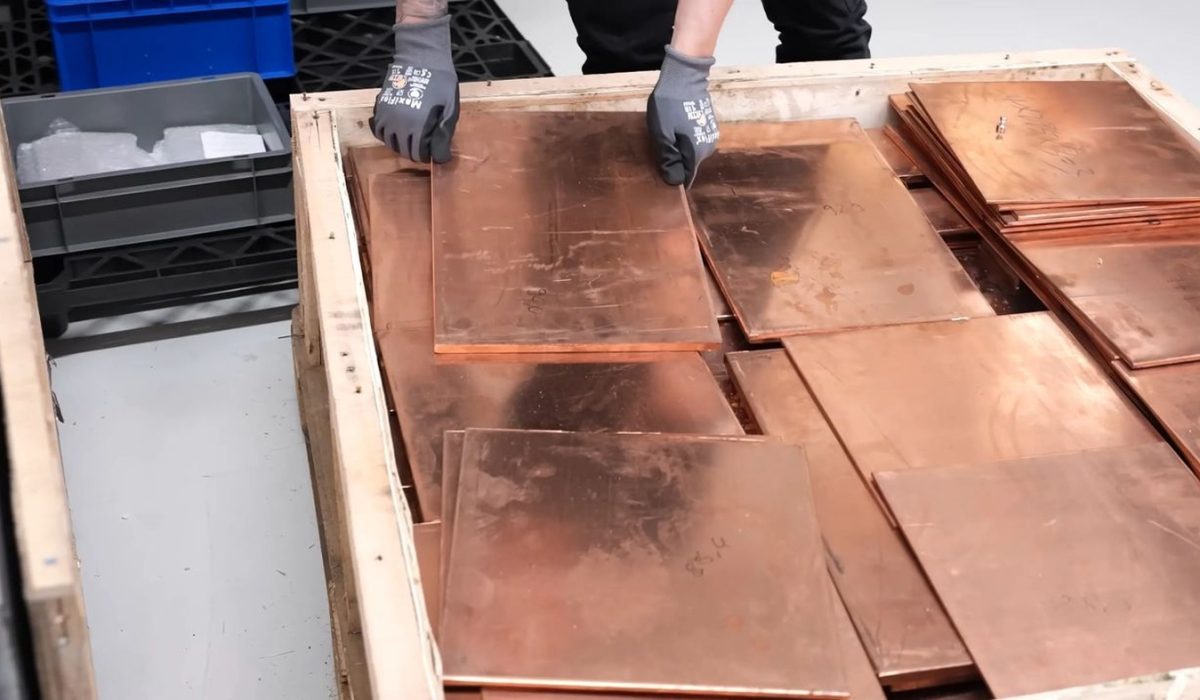
Thermal Grizzly, a company specializing in high-performance thermal compounds and cooling solutions, recently discovered it had been defrauded in a metal supply scam involving thousands of euros worth of copper. A simple magnet test was what ultimately exposed the counterfeit materials, highlighting ongoing challenges in securing reliable raw materials.
How the Scam Was Discovered
The incident came to light when Thermal Grizzly received a large shipment of metal intended to be copper, a key ingredient for their cooling products. Initial visual inspection raised doubts, prompting the team to conduct simple tests. Using a magnet, they checked the material’s magnetic properties, which should be negligible for true copper. The metal’s unexpected magnetic response was a red flag that triggered further investigation.
Subsequent analysis confirmed the material was not pure copper but likely a cheaper, metallic substitute trying to mimic copper’s appearance. This discovery revealed a €40,000 fraud that had resulted in the company obtaining inferior materials that could significantly impact product performance and reputation.
The Importance of Copper in Thermal Solutions
Copper is widely valued in electronics cooling due to its excellent thermal conductivity. Thermal Grizzly relies on copper to efficiently dissipate heat in computer components, which helps maintain performance and longevity. The quality of raw copper directly influences the efficacy of their products, making it essential to source authentic and high-purity metal.
Substitutes or impure metals not only degrade cooling capabilities but also can cause reliability issues in end products. For Thermal Grizzly and similar companies, ensuring the integrity of metal supplies is critical to maintaining competitive advantage and product trustworthiness.
Challenges of Verifying Raw Material Authenticity
Global supply chains, especially for metals and raw materials, often face challenges related to fraud and counterfeit goods. In Thermal Grizzly’s case, the scam underscores how seemingly straightforward purchases can conceal risks. Even seasoned companies can be vulnerable without rigorous testing and supplier due diligence.
Simple tools like magnets, combined with advanced analytical methods, form key parts of inspection processes. However, not all businesses have such protocols in place, making them susceptible to similar fraudulent schemes. The incident highlights the growing need for supply chain transparency and verification technologies.
Impact and Response from Thermal Grizzly
Upon discovering the scam, Thermal Grizzly initiated a review of its procurement processes and supplier vetting criteria to prevent future incidents. The financial loss, while significant, underscored the importance of incorporating basic physical tests as first-line quality controls when receiving raw materials.
The company also communicated with other industry players about this scam to increase awareness. By sharing their experience, they hope to encourage vigilance across the supply chain, enhancing collective resilience against counterfeit products.
Broader Implications for the Electronics Industry
As industries increasingly depend on high-quality metals like copper for manufacturing advanced electronics and cooling systems, the authenticity of raw materials becomes more critical. Thermal Grizzly’s experience serves as a cautionary tale for businesses worldwide.
Preventing metal fraud not only safeguards financial investments but ensures performance standards and customer satisfaction. Innovative detection methods and stricter supply chain oversight are likely to become industry norms to address these growing challenges.