
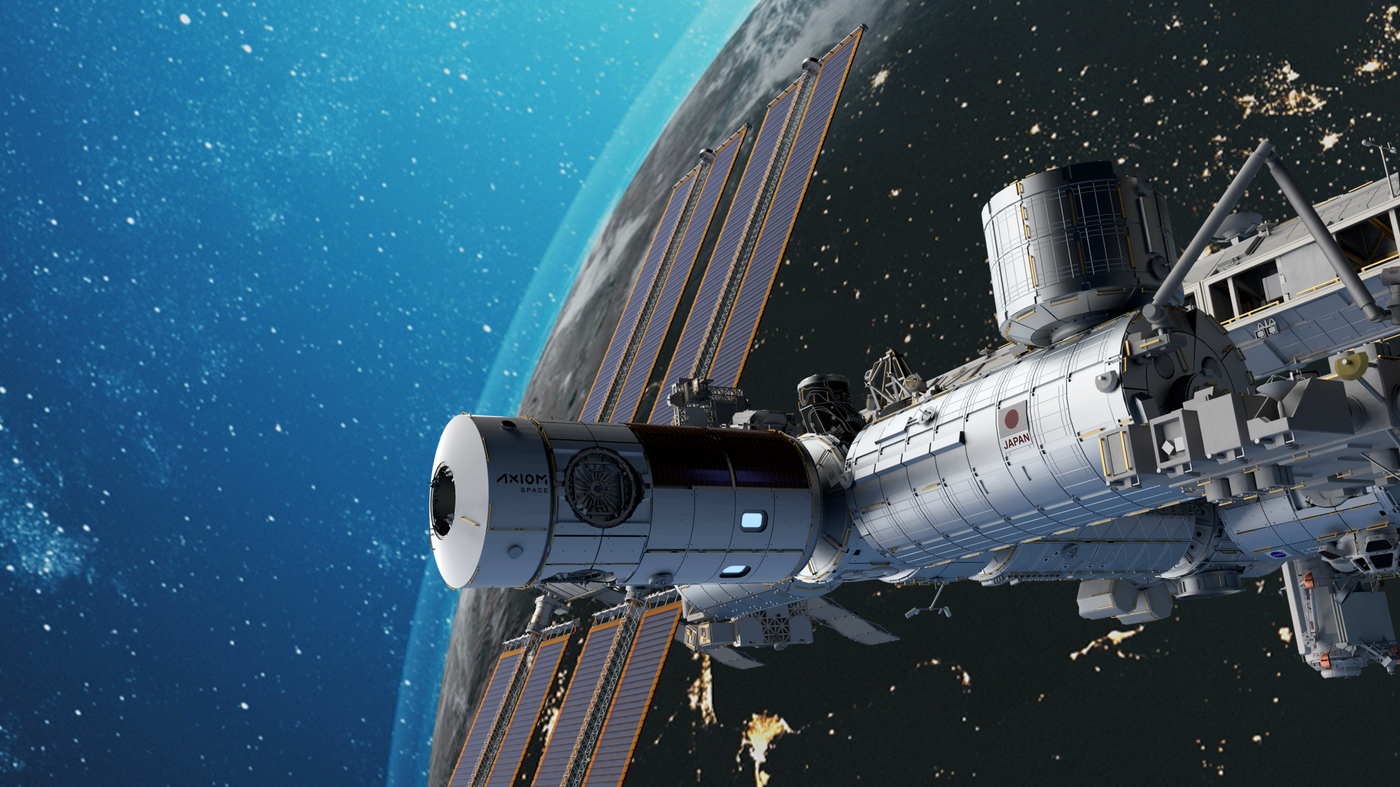
The United States Congress has extended funding for the International Space Station (ISS) to operate through 2030 while simultaneously encouraging NASA to expedite support for private space station initiatives. This move reflects a growing bipartisan consensus on the importance of maintaining a human presence in low Earth orbit while fostering a transition toward commercial space habitats.
Lawmakers expressed approval of NASA’s renewed commitment to advancing private space stations as key components in the future of space exploration and commercialization. The challenge, they noted, is balancing continued scientific research and operations on the ISS with the need to create sustainable, privately operated platforms that can support a broader range of space activities.
NASA has been partnering with several commercial entities to develop concepts and technologies for new orbital outposts. These efforts seek to reduce federal expenditure over time by shifting the operational burden to private companies, enabling NASA to focus resources on deep space exploration. The Congressional directive includes calls for clear milestones and accountability in NASA’s transition plan.
Industry leaders and space policy experts welcomed the Congressional guidance as a positive step toward stabilizing the uncertain landscape of low Earth orbit infrastructure. However, they also emphasized that the timeline for phasing out the ISS remains ambitious given the complexities in developing viable private replacements that can match or exceed its capabilities.
Overall, the extension of ISS operations alongside explicit Congressional support for commercial stations marks an important moment in U.S. space policy. It underscores the government’s recognition of the changing dynamics in spaceflight and the critical role private companies will play in humanity’s future beyond Earth.