The US residential clean energy market experienced unprecedented growth over a six-month period, with solar panel installations soaring by 205% before a significant tax credit reduction. This surge highlights a rapidly evolving landscape in home electrification, signaling major shifts in consumer behavior and market structure.
Record Growth in Solar Installations
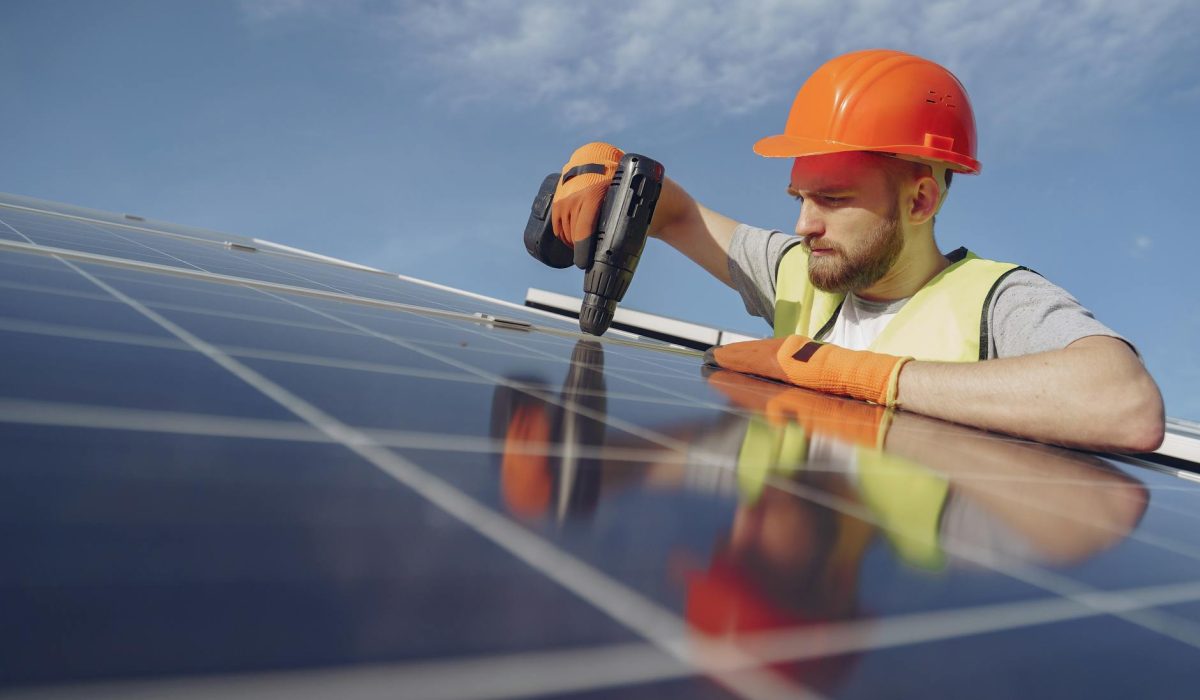
According to the latest Home Electrification Marketplace Report from EnergySage, the residential solar sector has seen one of its most active periods in recent history. Installations jumped sharply as homeowners rushed to take advantage of the expiring federal solar Investment Tax Credit (ITC).
This surge was driven mainly by a combination of increased consumer awareness about renewable energy benefits and favorable financing options that made solar adoption more accessible. The encouragement of state-level incentives also played a role in accelerating this trend.
Impact of Tax Credit Reduction
The federal solar tax credit, which previously covered 30% of solar system costs, was set to decrease significantly. Anticipation of this reduction prompted homeowners and installers to expedite projects, effectively compressing what would normally be a steady growth into a brief, intense rush.
This created a spike not only in installations but also in market demand, affecting pricing, supply chains, and contractor availability. Industry experts note concerns about potential slowdowns following the credit cut, but the recent momentum has already reshaped future market expectations.
Changing Market Dynamics
The rapid increase in solar adoption has transformed the competitive landscape among solar providers. Companies now face increased pressure to innovate financing models, improve customer experience, and expand installation capacity to meet heightened demand.
Meanwhile, customer profiles are shifting as a wider range of demographics consider solar energy, including middle-income households and environmentally conscious consumers who were previously underrepresented in the market.
Broader Implications for Home Electrification
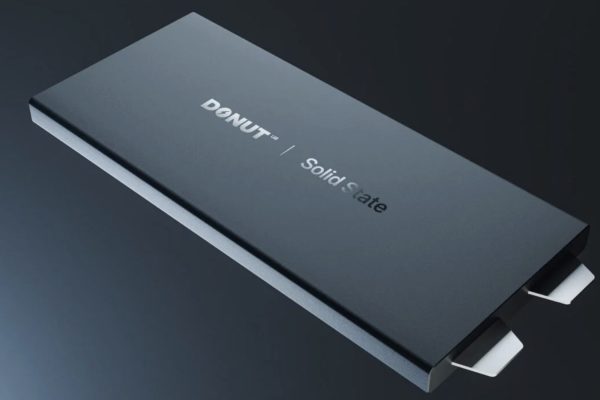
The surge in solar installations is part of a larger trend toward comprehensive home electrification. This includes integrating energy storage solutions, electric vehicle chargers, and smart home energy management systems, all of which contribute to reducing carbon footprints.
These developments indicate growing interest in sustainable energy solutions beyond just electricity generation, emphasizing a holistic approach to energy usage in residential settings.
Outlook and Future Trends
Looking ahead, the residential solar market is expected to stabilize but continue growing, supported by ongoing technological advancements and policy support at state and local levels. New innovations in battery storage and energy efficiency may further boost adoption rates.
Industry watchers will be monitoring how the market adjusts post-tax credit cut and whether the surge has lasting effects on consumer behavior and infrastructure investment.