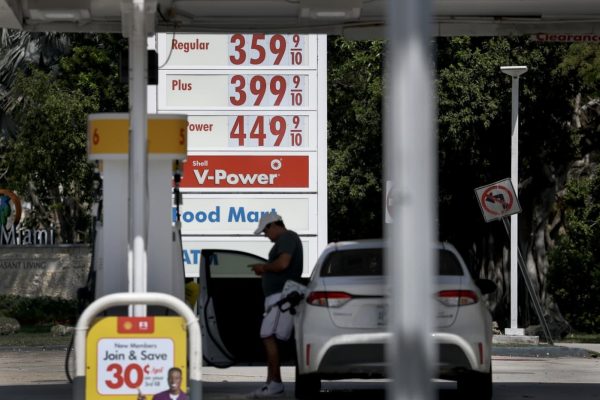
Oil prices have become a focal point for investors worldwide, influencing market dynamics and economic forecasts. Understanding the reasons behind this trend is essential for anticipating potential shifts in financial markets.
Impact of Oil Prices on Financial Markets
Fluctuations in oil prices can lead to significant movements in stock markets. When oil prices rise, energy sector stocks often benefit as profits improve. Conversely, higher oil costs may weigh on companies with high energy consumption, affecting their earnings and stock valuations.
Investors also monitor oil prices as they influence inflation expectations. Increased costs for transportation and manufacturing can ripple through the economy, potentially leading central banks to adjust monetary policies. These adjustments can impact equity and bond markets broadly.
Oil Prices and Inflation Concerns
Rising oil prices contribute to increased inflationary pressures since transportation and production costs escalate, feeding into the prices of goods and services. This can erode consumer purchasing power and prompt central banks to consider tightening measures to control inflation.
Such inflationary signals influence investor sentiment and can lead to volatility in stock and bond markets as markets anticipate changes in interest rates or economic growth trajectories.
Geopolitical Influences on Oil Supply and Prices
Geopolitical events in key oil-producing regions often disrupt supply chains, causing price volatility. Conflicts, sanctions, or production decisions by organizations like OPEC can restrict supply and push prices higher.
Investors closely track these developments, as sustained supply disruptions may spur prolonged market instability and impact broader economic conditions worldwide.
Long-term Implications for Energy Transition
While rising oil prices can boost traditional energy companies, they also underscore the need for accelerated investment in renewable energy and alternative sources. High fossil fuel costs may drive innovation and capital towards cleaner technologies.
This transition presents both challenges and opportunities for investors, requiring careful adjustment of portfolios to balance exposure between conventional and emerging energy sectors.
Investor Strategies Amid Volatile Oil Prices
To navigate the uncertainty posed by oil price fluctuations, investors often diversify their holdings and consider hedging strategies. Energy stocks, commodities, and inflation-protected assets become key considerations.
Staying informed about global economic indicators and geopolitical risks helps investors make timely decisions that align with broader market conditions shaped by oil market dynamics.